
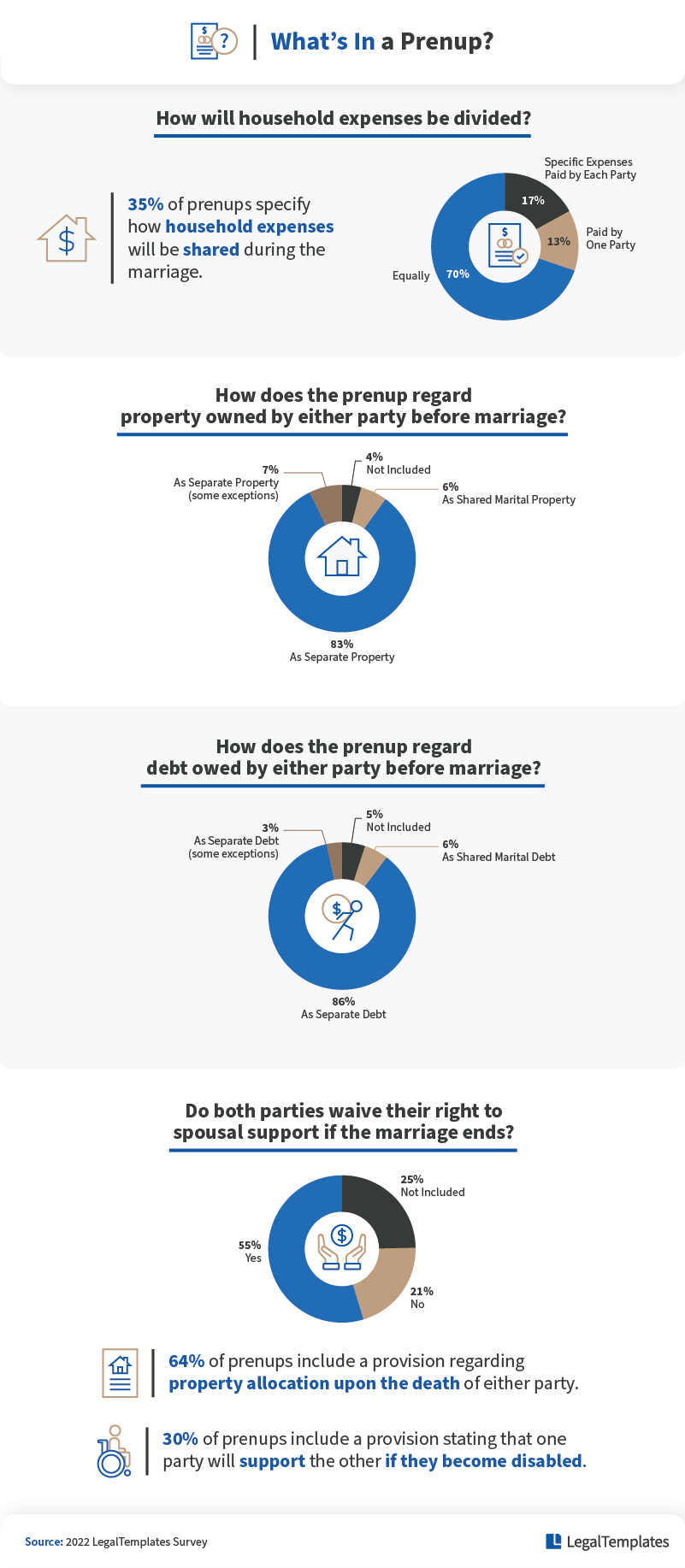
In the realm of romantic entanglements, the very mention of a prenuptial agreement, often termed a “prenup,” can evoke a diverse array of emotions. Some may perceive it as a necessary safeguard, while others might regard it as an omen of mistrust. So, should you sign a prenup? This article unravels the tangled web of both legal and personal insights surrounding prenups. Let’s embark on this thought-provoking voyage together.
The Fundamentals of a Prenup
A prenuptial agreement is a legal document that delineates the division of assets and responsibilities in the event of a divorce or separation. While its primary function appears straightforward — presiding over the financial intricacies following a marital dissolution — the implications often extend far beyond mere dollar signs. It invites introspection about individual values, aspirations, and the rigorous intricacies of a partnership.
A Matter of Trust
At the heart of the prenup debate lies the intricate concept of trust. Signing a prenup can be perceived as an admission that the relationship may not withstand the test of time. However, consider this: is it not an expression of love to protect one another from potential future discord? By engaging in candid discussions about finances and expectations before tying the knot, couples can establish a stronger foundation rooted in transparency.
Economic Safeguarding
One of the salient reasons to contemplate a prenup is the financial security it affords. Without a prenup, the division of assets is governed by state laws, which may not align with your preferences. Prenups empower couples to delineate their financial futures, safeguarding personal assets and protecting businesses cultivated prior to the marriage. For individuals with significant pre-existing wealth, this can be a formidable consideration.
Anticipating Changes
A prenup can also offer flexibility to adapt to life’s vicissitudes. As circumstances evolve — whether it’s the birth of children, career advancements, or acquisitions of assets — a prenup permits couples to reassess and modify their agreements. Consider incorporating provisions that account for lifestyle changes or the advent of children, thereby reflecting the dynamic nature of marital commitments.
Intangible Assets
It isn’t merely tangible assets that warrant consideration in a prenup. Intangible possessions, such as intellectual property or professional licenses, may hold significant value. How will these be allocated in the event of a split? A prenup can delineate ownership of such assets, mitigating contentious disputes and fostering an amicable separation.
Emotional Repercussions
While the practical benefits of prenups are often highlighted, the emotional ramifications should not be overlooked. It is imperative to distinguish between a pragmatic approach and one that may cause distress. Engage in sincere dialogue with your partner. Does a prenup signify a lack of faith in your relationship, or rather, a pragmatic approach to imbue it with greater security? Open communication can alleviate misunderstandings and affirm mutual respect.
The Forfeiture of Rights
A critical aspect of signing a prenup is the relinquishment of certain legal rights. After marriage, state law typically provides spouses with rights to marital property accrued during the union. By signing a prenup, these rights may be altered or waived entirely. It’s essential to be cognizant of what rights you might be forfeiting, as this could significantly impact your financial standing in the event of a divorce.
Legal Framework
Consulting with a qualified attorney is paramount when considering a prenup. Different jurisdictions have varying laws regarding the enforceability of such agreements. While drafting your prenup, ensure that it meets all legal requirements to optimize its enforceability. Legal counsel will help navigate the labyrinth of laws, guiding you through specific clauses pertinent to your situation.
Equal Representation
For a prenup to be upheld in court, it is advantageous for both parties to have independent legal advice. Not only does this foster equity in negotiations, but it also ensures that both perspectives are fully represented, minimizing the likelihood of future disputes regarding its validity. An equitable approach further solidifies trust between partners, creating a stronger marital foundation.
Engagements Beyond Finances
While prenups primarily address fiscal matters, their scope can extend into other aspects of the relationship. Couples may wish to include stipulations surrounding responsibilities regarding children, lifestyle choices, or even the handling of debts. Such intricate agreements can tailor the marriage to the unique dynamics of the couple, making it distinctly theirs.
If Not a Prenup, Then What?
If the thought of a prenup feels daunting, consider discussing alternative arrangements. A postnuptial agreement, which can be drafted after the marriage, serves a similar purpose but might feel more organic once the partnership has been established. Alternatively, couples can focus on financial literacy and mutual understanding, ensuring that both partners are well-equipped for potential future challenges.
Conclusion: The Challenge for the Reader
Ultimately, whether to sign a prenup is a deeply personal decision. It compels you to confront your values, expectations, and hopes for the future. Will you initiate a conversation about a prenup with your partner? Embrace this playful challenge to foster greater understanding and commitment. Once you navigate this path, not only will you be better prepared for potential hurdles, but you’ll also strengthen the very bond you seek to protect. Approach this topic with an open heart and a discerning mind — your future self may just thank you.