

In a world obsessed with glamour and aesthetics, the humble lipstick reigns supreme as a symbol of beauty, confidence, and artistry. Yet, beneath its vibrant hues lies a shadow seldom acknowledged—the formidable carbon footprint it imprints upon our planet. This article ventures beyond the glossy facade to unravel the intricate environmental cost of this everyday cosmetic marvel. Through a compelling infographic lens, we dissect the stages and components that contribute to the carbon emissions intertwined with producing, transporting, and disposing of a single tube of lipstick. Prepare to confront a narrative of beauty intertwined with ecological consequence, and discover the nuanced insights that can empower more conscientious choices.
Understanding the Carbon Footprint: What Does It Entail?
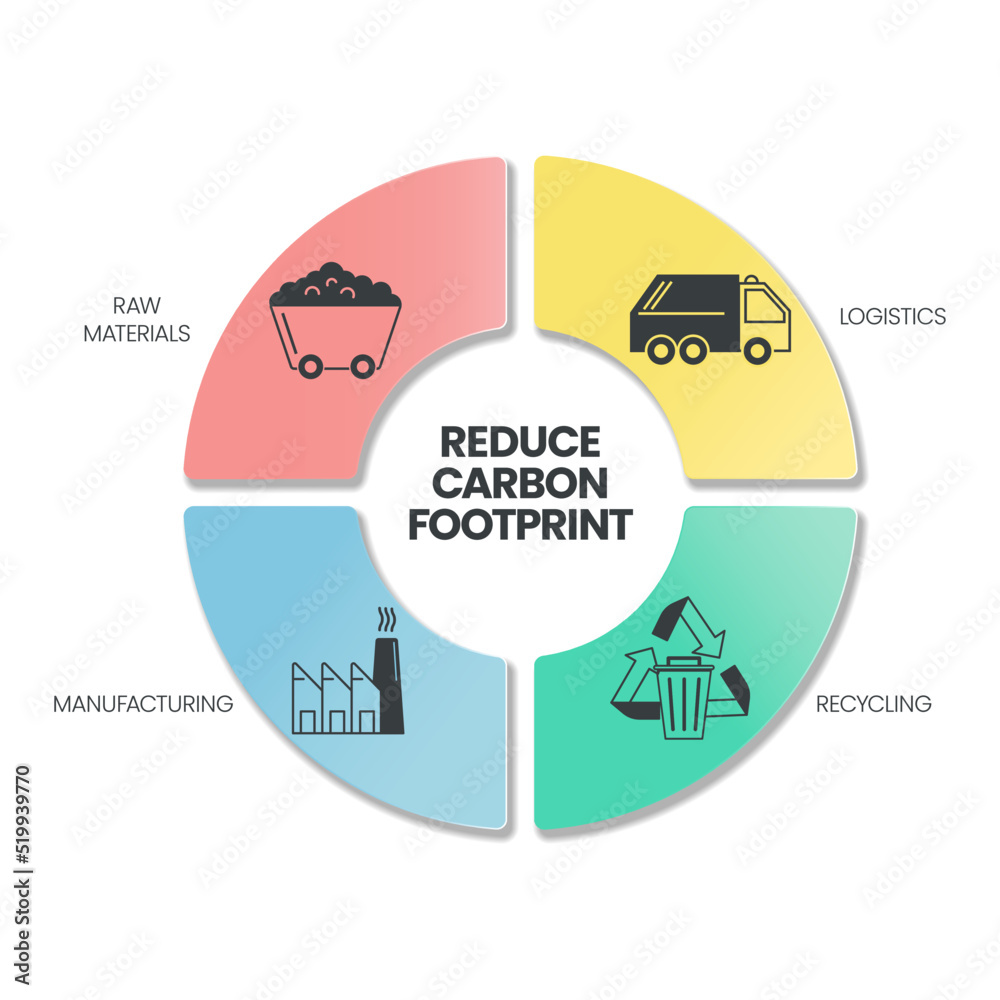
The carbon footprint describes the total greenhouse gas emissions caused directly or indirectly by an individual product or activity, expressed in equivalent tons of carbon dioxide (CO2e). Lipstick, while seemingly innocuous, embodies a complex web of energy consumption and emissions. From sourcing raw materials extracted from earth or cultivated from agricultural land, through energy-intensive manufacturing pipelines, to the global logistics that whisk the lipstick to shelves worldwide—each link in the chain amplifies environmental impact. The infographic boldly distills this complexity into four analytical steps, offering a visual précis of the cumulative effect.
Raw Material Extraction: The Unsuspected Culprits
Delving into lipstick’s alchemy begins with raw materials—wax, oils, pigments, and preservatives—the foundational elements conjured from both natural and synthetic origins. Beeswax, often lauded for its natural purity, paradoxically contributes to deforestation risks in regions where apiculture encourages monocultures at the expense of biodiversity. Petroleum-derived paraffin wax, a mainstay in many formulations, is a sinister reminder of fossil fuel reliance and the greenhouse gases spewed during extraction and refining. Pigments, especially synthetic dyes, frequently boast carbon-intensive manufacturing processes involving toxic intermediaries and heavy metal contaminants. The infographic highlights this pivotal phase as a substantial node of carbon output, underlining how the choice of raw material dramatically sways the environmental ledger.
Manufacturing and Production: The Energy Sinkhole
The transformation from raw ingredients to expertly formulated lipstick requires a sophisticated manufacturing apparatus. Factories rely heavily on electrified machinery, precise temperature controls, and chemical reactors—all guzzling significant quantities of energy. Additionally, packaging—often an afterthought—plays a pivotal role here. The shiny tubes and intricate casings, frequently composed of plastic mixed with metal accents, derive from energy-intensive processes and polymers tethered to fossil fuels. The infographic’s second step elucidates this—manufacturing is not merely about assembly but an energy labyrinth where efficiency and sustainability are frequently sacrificed in the chase for aesthetic perfection and cost reduction.
Global Transportation: The Invisible Trail of Emissions
Once manufactured, lipstick embarks on an extensive journey, sometimes spanning continents before reaching a consumer’s hand. This distribution network, encompassing air freight, sea shipping, and terrestrial trucking, contributes an often-underestimated proportion of the total footprint. Air freight, cherished for speed, is notoriously carbon-expensive compared to sea or rail. The infographic’s third step sharpens focus on transportation emissions, exposing how the demand for rapid restocking and globalized marketing exacerbates environmental strain. The carbon tally lurking in the supply chain disrupts any naïve assumptions that lipstick’s impact ends at production.
Usage and End-of-Life: The Overlooked Dimension
The environmental dialogue frequently halts at retail, but the usage phase and disposal habits impart their own burdens. Though lipstick’s application itself is carbon-minimal, the infrequent disposal and accumulation of packaging waste cast a dark shadow. Non-biodegradable containers persist in landfills or oceans, subtly leaking microplastics and chemicals that imperil ecosystems. Recycling infrastructure remains inadequate, with few facilities equipped to process mixed-material cosmetic packaging, leaving environmental degradation unchecked. The infographic’s final step encapsulates this vital end-of-life challenge, reminding consumers that sustainability transcends purchase to encompass mindful disposal and demand for recyclable designs.
Decoding the Infographic: Visualizing Impact and Action
Visual storytelling wields undeniable power in distilling complex subjects. The infographic at the helm of this discussion breaks down each step with precision—raw materials, manufacturing, transportation, and disposal—allowing viewers to grasp the multilayered carbon narrative. Color-coded overlays, proportional icons, and succinct text converge to transform abstract emissions data into tangible insights. Moreover, accompanying recommendations for footprint reduction advocate for raw material substitution, green manufacturing practices, optimized logistics, and circular packaging innovations. Powered by data yet accessible in design, the infographic stands as a clarion call to beauty industry stakeholders and consumers alike, beckoning collective responsibility.
The Broader Implications: Beauty Industry Under Scrutiny
The carbon footprint of a single lipstick tube symbolizes wider environmental quandaries inherent in the cosmetic sector. This industry, steeped in tradition yet rapidly evolving, is at a crossroads between indulgent excess and imperative sustainability. Growing consumer consciousness and regulatory pressure are steering brands toward reformulation, ethical sourcing, and transparency. The illustrated carbon analysis highlights painful trade-offs—the tension between chemical performance, cost, and environmental stewardship. It compels us to question luxury paradigms and to demand that beauty not come at the expense of planetary health.
Empowering Consumers: Navigating Choices with Clarity
Faced with intricate data and dazzling marketing, consumers can feel overwhelmed, immobilized by complexity. Yet armed with an understanding of the carbon footprint journey revealed by the infographic, consumers gain the capacity to make informed decisions. Seek out brands embracing sustainable ingredients, minimalistic packaging, and lower-impact transport options. Advocate for extended producer responsibility and participate in recycling initiatives. Ultimately, individual choices ripple outward, fomenting industry and cultural shifts. Beauty, redefined through this lens, becomes an extension of conscious living, a poise not only of style but of ethics and planetary respect.
Conclusion: Reimagining Lipstick Beyond Aesthetic
The carbon footprint embedded in every lipstick tube is a silent narrative of energy consumption, resource extraction, and environmental consequence. The infographic serves as an indispensable tool, unraveling this intricate web and staging the conversation for change. To embrace lipstick without reckoning with its impact is to indulge in aesthetics blind to ecology. By illuminating each step of the lipstick’s lifecycle, the discourse invites reckoning, innovation, and transformation. Only then may beauty genuinely harmonize with sustainability—a future where vibrant lips echo the vibrancy of a thriving Earth.