
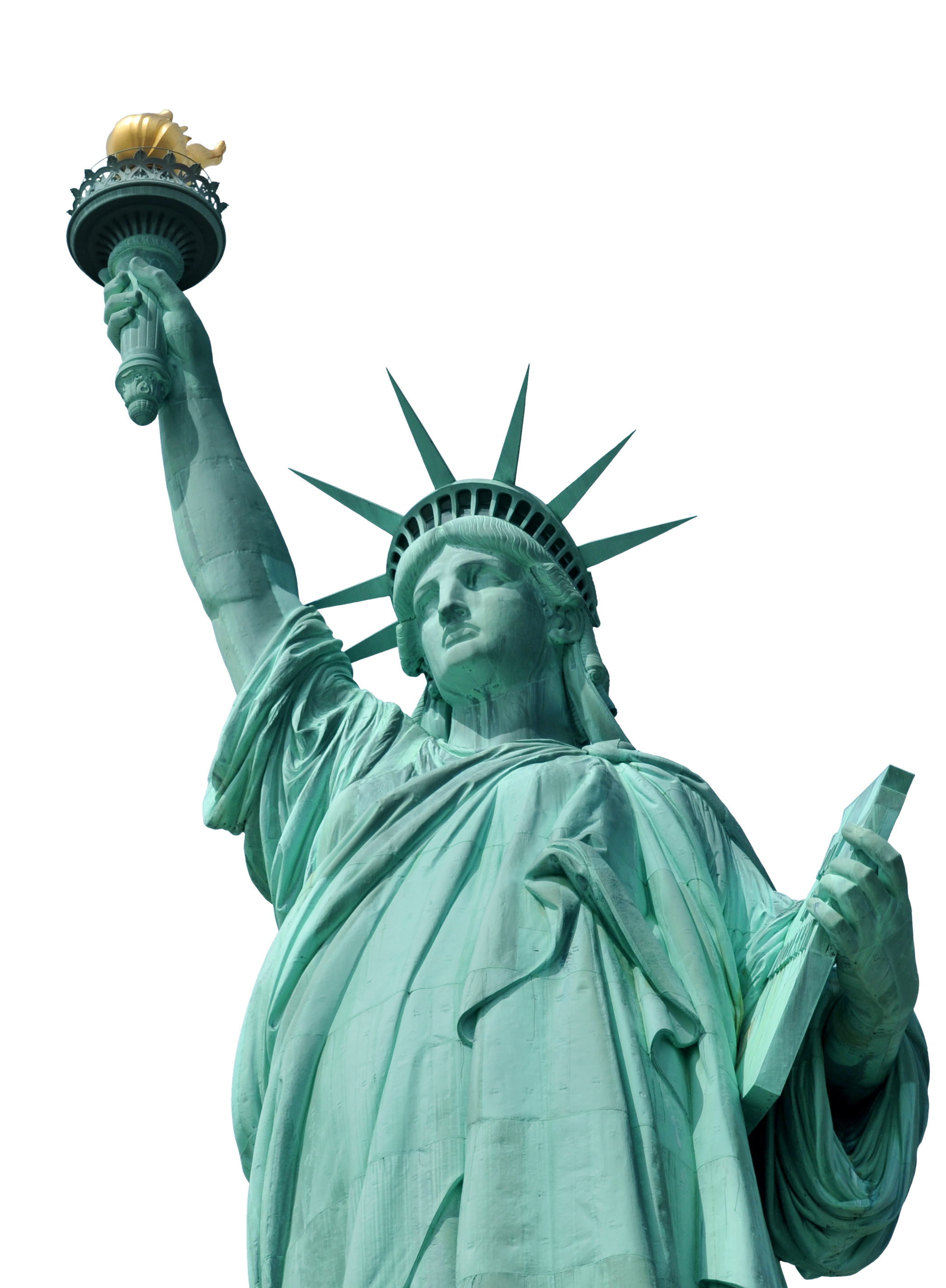
The Statue of Liberty stands as an enduring symbol of freedom, democracy, and the immigrant experience in America. Erected on Liberty Island in New York Harbor, this colossal neoclassical sculpture has captivated the imagination of people around the world since its dedication in 1886. The statue, an iconic representation of the shared values of liberty and hope, is deeply intertwined with the history of Ellis Island, once the gateway for millions seeking a new life in the United States. In this article, we delve into the rich history, significance, and various facts surrounding the Statue of Liberty and its connection to the Ellis Island Foundation.
Origins of the Statue
The conception of the Statue of Liberty was rooted in a Franco-American alliance that flourished during the Revolutionary War. French political thinker Édouard René de Laboulaye proposed the statue as a gift to the United States, intended to commemorate the centennial of American independence and advocate for liberty. Designed by French sculptor Frédéric Auguste Bartholdi, the statue was crafted from copper and assembled using an iron framework devised by Gustave Eiffel, who later gained fame for the Eiffel Tower.
Pledging Liberty: Symbolism of the Statue
The statue, which stands at 151 feet and rises a total of 305 feet including the pedestal, is adorned with potent symbols. The most prominent feature is the torch, representing enlightenment and the pathway to freedom. The statue’s idealized female form personifies Libertas, the Roman goddess of liberty, adorned with a crown featuring seven rays which denote the seven continents and seas, underscoring the universality of freedom. Draped in a flowing robe, the figure holds a tablet inscribed with July 4, 1776, the date of the U.S. Declaration of Independence.
Construction and Challenges
The construction of the statue was fraught with challenges, ranging from engineering difficulties to funding issues. The funding campaign spanned both nations, relying heavily on public donations. Ultimately, the project saw contributions from schoolchildren, wealthy philanthropists, and even street performers. Once completed in France, the statue was disassembled into 350 pieces and transported to America, where it was reassembled on Liberty Island with great fanfare.
Unveiling and Reception
On October 28, 1886, the Statue of Liberty was formally dedicated in a grand ceremony attended by dignitaries, including President Grover Cleveland. Despite initial mixed reactions due to the statue’s unfinished appearance, over the years, it grew to be cherished as a symbol of hope. As waves of immigrants approached the shores of Ellis Island, the Statue of Liberty greeted them, becoming a poignant emblem of their dreams for a better life.
The Role of Ellis Island
Located just a short ferry ride from Liberty Island, Ellis Island served as the primary immigration station for incoming foreigners from 1892 to 1954. During this time, approximately 12 million immigrants passed through its doors, each with their own story of aspiration and perseverance. The Statue of Liberty, positioned nearby, provided those arriving with a beacon of hope and a reminder that America was a land of opportunity.
Ellis Island Foundation: Preservation and Education
In 1982, the Ellis Island Foundation was established with the mission to preserve and protect the island and its historical significance. The foundation plays a critical role in maintaining the immigrant experience narrative through educational programs, exhibitions, and restoration efforts of the various buildings on the island. By promoting awareness surrounding the experiences of immigrants, the foundation also aims to foster understanding and appreciation of diverse cultural contributions to American society.
Genealogy Resources
The Ellis Island Foundation has developed a comprehensive genealogical database, which allows individuals to trace their ancestry back to those who journeyed through the island. The database contains over 51 million records, making it an invaluable resource for descendants of immigrants. This access not only honors the memory of those who came seeking a new life but also strengthens the bonds between generations by preserving their histories.
Significant Events and Commemorations
Throughout its history, the Statue of Liberty has served as a backdrop for numerous significant events, including the arrival of the first transatlantic flight by Charles Lindbergh and the 1986 centennial celebration, which included extensive renovations and restorations. Notably, the statue has become a global symbol of resilience in times of crisis, including its illumination amidst crises, conveying solidarity and hope to those in distress.
Visitor Experience
A visit to the Statue of Liberty and Ellis Island offers a multifaceted experience for individuals wishing to understand the historical significance of these landmarks. Visitors can explore the Statue’s pedestal and crown, providing stunning panoramic views of New York City and its surroundings. The Ellis Island National Museum of Immigration immerses visitors in the poignant stories of countless immigrants through compelling exhibits, artifacts, and interactive displays.
Current Challenges and Advocacy
Today, the Statue of Liberty and Ellis Island face challenges including climate change, rising sea levels, and the need for ongoing preservation funds. Advocates for both sites emphasize the importance of ongoing education and awareness initiatives to ensure the legacy of these historic monuments endures for future generations. The Ellis Island Foundation continues to push for necessary reforms, underscoring the imperative of preserving not just the physical structures but also the rich narratives of those who sought refuge on American shores.
Conclusion
The Statue of Liberty and Ellis Island are not merely historical landmarks; they weave together the intricate tapestry of American identity and values. Serving as a lighthouse for millions of hopeful seekers, they represent the triumph of the human spirit over adversity. The collaborative efforts of the Ellis Island Foundation in preserving this rich legacy ensure that the tales of bravery, sacrifice, and resilience continue to resonate through the ages, inviting every new generation to aspire toward a better, more inclusive tomorrow.