
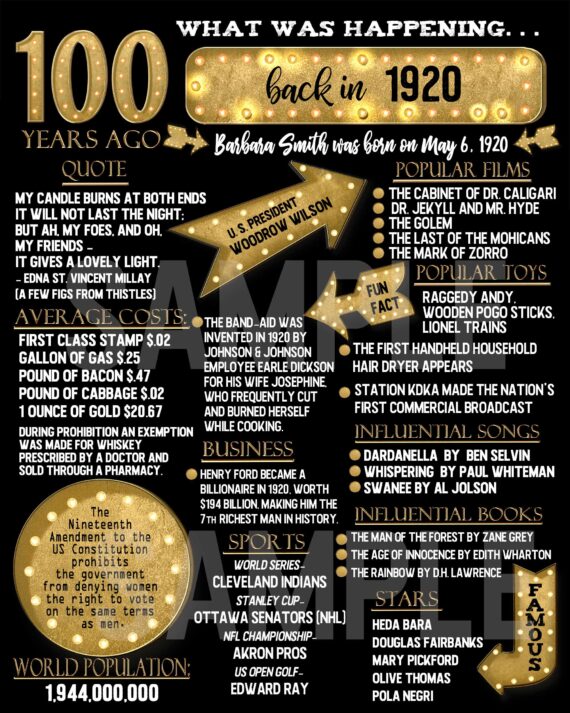
Ah, the 1920s—a decade enveloped in a cloud of innovation, exuberance, and radical change. When discussing the 1920s, one cannot help but evoke images of flappers, speakeasies, and the bustling rhythm of jazz. However, beyond the dazzling parties and social upheavals, this was a period packed with fascinating quirks and practices that will intrigue even the most seasoned history buff. Buckle up as we dive into the delightful idiosyncrasies of “Thing Lovers” of the 1920s. Are you ready to challenge your historical knowledge?
The Rise of the Jazz Age
The 1920s were famously dubbed the Jazz Age, a moniker that captures the quintessence of this dynamic period. Jazz music, characterized by its exuberance and improvisational flair, became the soundtrack of the decade. But did you know that jazz wasn’t just a musical genre? It birthed an entire culture that introduced new dance styles, such as the Charleston and the Shimmy, captivating audiences across the nation? Nightclubs, many of which operated under the shadowy veil of Prohibition, flourished. The audacity of the era was palpable, and its hedonistic spirit was infectious. Can you imagine swinging to the rhythms of Duke Ellington amidst flapper dresses and dapper suits?
Prohibition: A Double-Edged Sword
Ah, Prohibition—the 13-year national ban on alcohol that inadvertently set the stage for some of the most memorable social gatherings of the decade. Instead of eradicating cocktail culture, it led to its explosive proliferation. Secret bars, known as speakeasies, often hidden behind unmarked doors, became the meeting grounds for those daring enough to defy the law. These venues served creative concoctions, like the “Bee’s Knees,” consisting of gin, honey, and lemon. Here’s a playful challenge: can you name a modern cocktail that captures the hidden rebellion of those spirited nights?
Fashion: The Flapper Phenomenon
The flapper is perhaps the most enduring symbol of 1920s fashion: young women who flaunted conventional societal norms through their daring fashion choices and lifestyle. These avant-garde ladies sported bobbed hair, dropped waistlines, and knee-length dresses embellished with beads and sequins. They also had a penchant for smoking in public, which was quite scandalous at the time. Can you imagine strutting your stuff in a fringed outfit, sipping a cocktail, and dancing to jazz? Flappers were not just fashion icons; they were emissaries of female empowerment, signaling a seismic shift in attitudes towards women in society.
Literature: The Lost Generation
Amidst the jazz and revelry, a cadre of writers known as the “Lost Generation” emerged—individuals like F. Scott Fitzgerald, Ernest Hemingway, and Gertrude Stein. Disillusioned by the aftermath of World War I, their works encapsulated a deep-seated cynicism coupled with a desire for meaning. Fitzgerald’s “The Great Gatsby” illuminated the vacuity of the American Dream. As you ponder their contributions, think about how contemporary literature draws influence from these literary giants. What 21st-century authors resonate with the same themes of disillusionment and social critique?
Technological Advancements: The Birth of Modernity
In the quest for novelty and efficiency, the 1920s heralded a technological revolution. The widespread adoption of the automobile transformed American landscapes, giving rise to suburbs and a car-centric culture. The Ford Model T epitomized this transformative period, as it democratized car ownership. Homes began to embrace modern conveniences like electric refrigerators and washing machines, subtly changing domestic life. Here’s a thought: how many modern-day conveniences can you identify that owe their lineage to the innovations of this decade?
Advertising and Consumer Culture
With the advent of mass production and technological prowess, the 1920s also marked a profound shift in advertising. Billboards and radio advertisements proliferated, extolling the virtues of novel products, from vacuum cleaners to breakfast cereals. It was the dawn of consumerism—the belief that happiness could be achieved through the acquisition of goods. This phenomenon instigated an economic boom that often masked underlying issues, such as inequality and economic vulnerability. Consider this: is modern consumerism truly different from that of the 1920s? What can we learn from the marketing trends of this era?
Art and Architecture: The Birth of Art Deco
The visual arts thrived during this decade, with the Art Deco movement leaving an indelible mark on architecture and design. Characterized by geometric forms and bold colors, Art Deco represented luxury, glamour, and exuberance. Iconic skyscrapers such as the Chrysler Building and the Empire State Building arose during this time, exemplifying the aspiration of an era. As you survey buildings in your own city, take a moment to appreciate how Art Deco’s elegance continues to influence modern architecture.
Conclusion: Relishing in the Retro
The 1920s were a melting pot of cultural dynamism, societal shifts, and technological advancements that defined not just a decade, but laid the groundwork for modern America. As we explore the playful idiosyncrasies of this bygone era—the jazz, the flappers, the literature, and the economic boom—one can’t help but reflect on how these elements intertwine with contemporary life. In a fast-paced society filled with instant gratification, it’s vital to remember the lessons from the past. So, as you venture through your own modern life, think back to the “Thing Lovers” of the 1920s. How do their tales echo in your today? Can we evoke a fraction of their spirit as we navigate our challenges? The past may have its sepia-toned narratives, but its relevance remains timeless.