
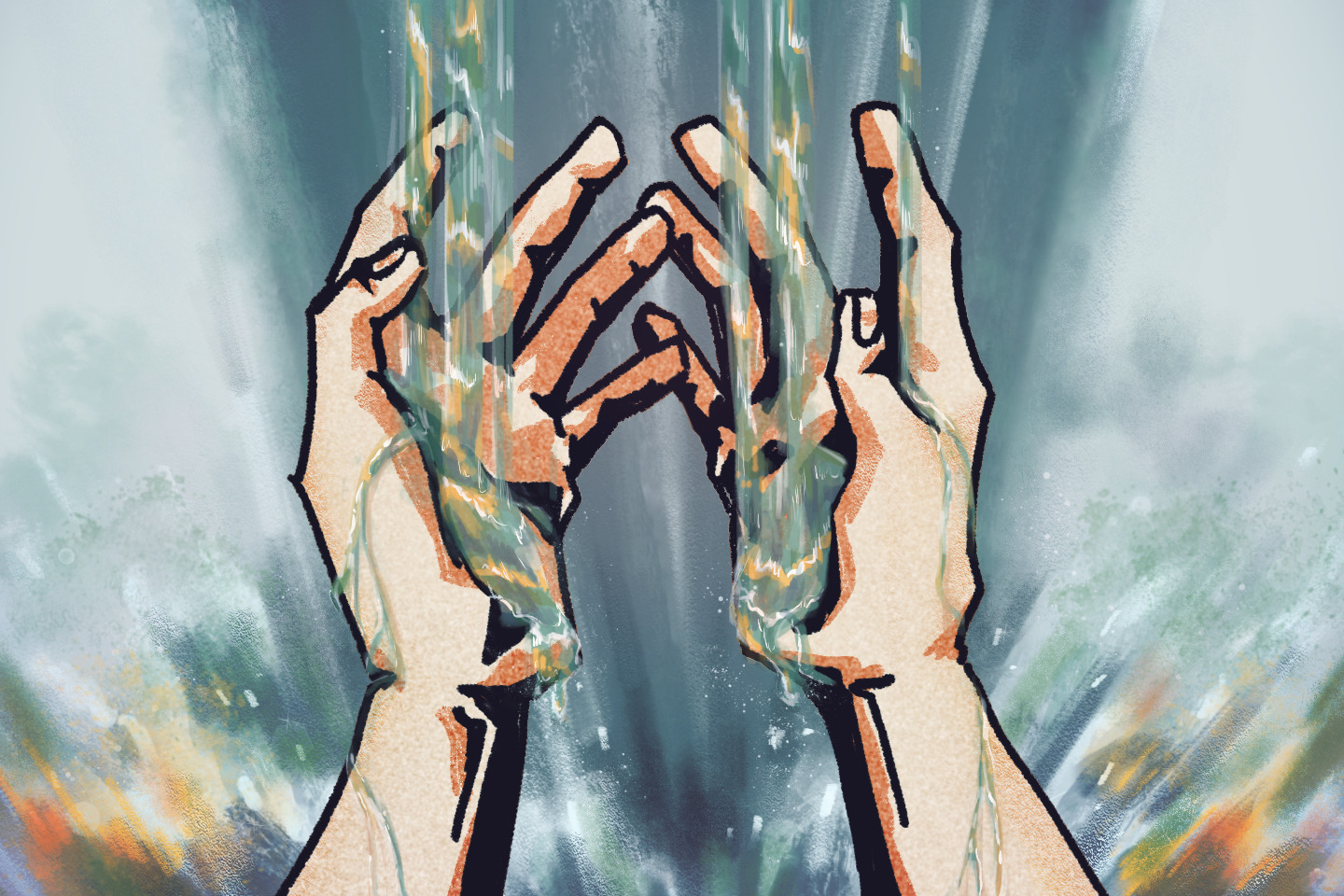
Trevor Noah, the renowned comedian, author, and former host of “The Daily Show,” has emerged as a prominent figure embracing the principles of fluidity and change in society. His advocacy extends to a variety of social issues, aiming to challenge conventional norms and inspire a more dynamic understanding of identity, culture, and equality. This exploration delves into Noah’s multifaceted approach to supporting fluidity and change, observing how his life experiences have shaped his perspective and initiatives.
At the core of Noah’s advocacy lies a personal narrative steeped in diversity. Born in South Africa to a Swiss father and a Xhosa mother during the apartheid era, his very existence was a testament to the complexities of racial and cultural identities. This background equips Noah with a unique viewpoint—a lens that perceives identity as not a fixed state but rather a fluid continuum shaped by societal influences and personal choices. His experiences have fostered an understanding that fluidity is not just an ideal; it is an essential element in the evolution of society.
Noah often uses comedy as a conduit for exploring difficult topics, and in doing so, he advocates for an inclusive dialogue around identity and difference. Through his stand-up routines and televised segments, he encourages audiences to confront uncomfortable truths about race, nationality, and privilege. This comedic approach transforms abstract notions of social justice into relatable narratives, compelling his audience to question their preconceived notions. By framing complex ideas about fluidity in a digestible format, he invites individuals to partake in conversations that may have been previously shunned.
The concept of fluidity also resonates deeply within Noah’s commentary on gender and sexuality. In an era where gender norms are being increasingly challenged, Noah consistently highlights the significance of respecting individual identity expressions. He advocates for a world where people are free to define themselves beyond traditional binaries, arguing that fluidity in gender and sexuality enriches the human experience. This stance not only aligns with contemporary discourses on LGBTQ+ rights but also pushes for legislative changes that protect and acknowledge diverse identities.
However, Noah’s advocacy is not limited to the realm of identity politics. He adeptly links fluidity to the broader challenges posed by globalization and multiculturalism. In a world that is becoming more interconnected, his commentary sheds light on the necessity of embracing cultural exchange and adaptability. Emotionally resonant narratives convey the idea that, just as individual identities are fluid, so too are cultures, which continuously evolve and borrow from one another. Noah’s ability to discuss these intricate intersections underscores the importance of empathy and understanding in a globalized world.
Moreover, Noah actively participates in philanthropic endeavors that embody his commitment to fluidity and change. For instance, his foundation endeavors to dismantle educational barriers for underprivileged youth, emphasizing that knowledge should not be static. By fostering an environment conducive to innovation and critical thinking, these efforts echo the notion that growth is inherent in fluidity. Education, a cornerstone of progress, is depicted not merely as a series of facts to be memorized but as a transformative process that evolves with time and context.
Trevor Noah’s literary contributions further enrich his advocacy for fluidity and change. His memoir, “Born a Crime,” chronicles his upbringing in a divided South Africa and reflects on the myriad ways in which fluid identities shape experiences. Through poignant storytelling, Noah elucidates how understanding and embracing change is vital for healing and personal growth. The book serves as a powerful manifesto for embracing one’s diverse heritage, challenging readers to appreciate the multiplicity of their own identities.
In addition to storytelling, Noah’s platform facilitates dialogues on pressing contemporary issues, including climate change, systemic racism, and economic inequality. His ability to synthesize these topics illustrates that fluidity extends beyond personal identity; it encompasses societal structures that require adaptation and reform. By positioning himself as a voice of reason, he not only stimulates critical thinking but also provides a blueprint for others to advocate for change within their communities.
Another critical aspect of Noah’s advocacy is the intersectionality of fluidity and mental health awareness. He understands that changes in identity and societal roles often come with emotional turmoil. Through candid discussions surrounding mental health, he emphasizes the importance of addressing the psychological impacts of rigid societal expectations. By promoting mental wellness alongside themes of fluidity, Noah advocates for a more compassionate society that values individual well-being as an integral part of personal and communal progression.
To engage with Noah’s advocacy is to embark on a journey towards understanding and embracing fluidity and change. His calls to action challenge individuals to reflect on their own identities and the societal constructs that shape their views. In considering questions of race, gender, culture, and mental health, he implores us to create environments where acceptance and empathy thrive. It is a direct challenge to the reader: to acknowledge that the world is perpetually in flux and that rigid definitions no longer serve us in a rapidly evolving societal landscape.
Ultimately, Trevor Noah stands at the forefront of a movement that champions the beauty of change and fluidity. His advocacy is not just about acceptance; it is a clarion call to reshape our understanding of identity and society. By weaving together comedy, storytelling, and activism, Noah forges a pathway towards a future where change is embraced, and diversity is celebrated. As we navigate our personal and collective journeys, let his example inspire us to advocate for a world that honors the fluidity inherent in all of us.