
When it comes to distilled spirits, vodka and tequila reign supreme as two of the most popular choices among younger drinkers. While many are familiar with the basic characteristics of each, a closer examination reveals numerous nuanced differences that can entirely alter the drinking experience. Here, we delve into the key distinctions between vodka and tequila that could surprise you.
Origins and Base Ingredients
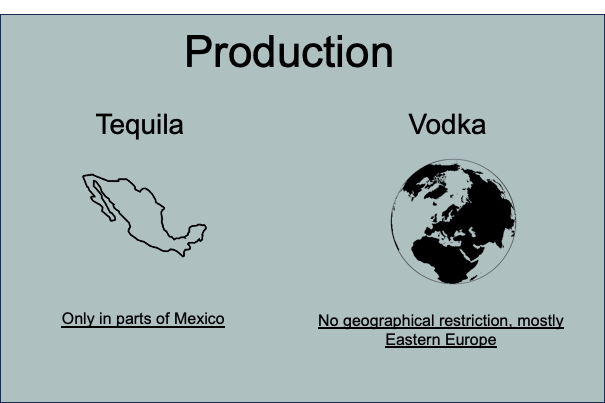
The first major difference lies in the origin and base ingredients of these spirits. Vodka traces its lineage back to Eastern Europe, particularly Russia and Poland. Traditionally, it is distilled from grains like wheat, rye, or even potatoes. The choice of ingredient often influences the texture and flavor profile. In contrast, tequila hails from Mexico and is exclusively made from the blue agave plant. The agave’s sugar content is fermented and distilled, yielding a spirit that is rich in complexity and aromatic character.
Production Process: A Deeper Look
Both vodka and tequila undergo distinct production methods that greatly impact their final taste. Vodka is typically distilled multiple times to achieve a high level of purity. This meticulous filtration process aims to remove impurities and create a neutral flavor profile, allowing it to be a versatile base for an array of cocktails.
On the flip side, tequila’s production is deeply tied to tradition. After harvesting the blue agave, the hearts, or piñas, are roasted, which caramelizes their natural sugars. This process brings out the sweet and earthy flavors characteristic of tequila. Furthermore, tequila is usually distilled just twice, retaining more of its distinctive agave flavors compared to vodka’s clean, crisp taste.
Types and Styles
Tequila offers a variety of types, each with its own unique characteristics. The main types include Blanco (or silver), Reposado (aged for a few months), Añejo (aged for at least a year), and Extra Añejo (aged for over three years). Blanco is bold and unaged, providing a pure agave flavor, while Reposado and Añejo introduce woodiness and complexity from barrel aging. Extra Añejo takes this to another level, offering a rich, deep character enhanced by prolonged oak maturation.
Vodka, by contrast, does not have the same classifications. While there are premium and flavored varieties, the standard vodka is generally a uniform spirit. It can range from ultra-smooth luxury brands to more budget-friendly options. The flavored vodkas have become a staple in the cocktail scene, providing endless mixers to experiment with, from fruity sensations to spicy infusions.
The Flavor Spectrum
Flavor is perhaps the most distinguishing factor between vodka and tequila. Vodka is often described as neutral and clean, but that doesn’t mean it lacks character. The nuances can vary depending on the base ingredient used. A potato vodka may possess a creamy mouthfeel, while a rye vodka can offer a spicier edge. But ultimately, it’s built as a chameleon, blending seamlessly with virtually any mixer.
Tequila, contrarily, boasts a bold flavor profile that directly reflects its origin. The inherent sweetness of the agave can be paired with herbaceous, citrus, and even spicy notes depending on the aging process and the brand. With tequila, each sip tells a story— one of craftsmanship, regions, and heritage.
Alcohol Content: The Big Reveal
Generally, both vodka and tequila hover around the same alcohol by volume (ABV) percentage, typically ranging from 35% to 50%. However, the effects one experiences can vary based on drinking context. Vodka’s clean taste may lead drinkers to underestimate its potency, resulting in faster consumption and potentially unexpected inebriation. Tequila’s robust profile often encourages sippers to slow down, savoring the drink and enjoying it with traditional accompaniments like salt and lime.
Cultural Context and Drinking Culture
Culturally, vodka is synonymous with Eastern European heritage, historically enjoyed in social settings, often accompanied by hearty food and toast after toast. Shots or cocktails, vodka drinks can range from traditional to trendy, with drinks like the iconic Moscow Mule attracting fresh aficionados daily.
On the other hand, tequila is intrinsically tied to Mexican culture and the agave fields of Jalisco. In recent years, it has exploded in popularity within the cocktail realm, with drinks like the beloved Margarita and Tequila Sunrise. The custom of sipping tequila with salt and lime has also transcended borders, symbolizing celebration and good times.
Mixology and Cocktails
In the realm of mixology, both spirits serve as the foundation for iconic cocktails, but their uses can differ significantly. Vodka’s adaptability makes it a star ingredient in a myriad of cocktails—from classic Vodka Martinis to fruity concoctions like the cosmopolitan. This flexibility makes it a go-to for anyone looking to experiment with cocktails.
Tequila brings its own flair to the bar scene. The Margarita is perhaps the most famous tequila-based drink, celebrated for its refreshing balance of sweet and tart. Yet, the versatility of tequila stretches beyond Margaritas, leading to innovative cocktails like the Paloma, which combines tequila with grapefruit soda, and elevated versions of classics like the Tequila Sour.
The Verdict: Choosing Your Spirit
Ultimately, selecting between vodka and tequila comes down to personal preference. Vodka offers a neutral backbone perfect for mixing in cocktails, while tequila delivers authentic flavors that elevate the experience. Whether you’re planning a night out or a cozy gathering, understanding these key differences enhances your enjoyment and appreciation of these classic spirits. With both vodka and tequila offering unique journeys through flavor and culture, the choice is unmistakably exciting.