
In the world of vintage fashion, few accessories have retained their allure and utility as sleeve garters. These seemingly simple bands, worn around the upper arm, have a long and storied history, transcending mere function to become a significant part of the sartorial lexicon. This article delves into the purpose, evolution, and cultural significance of sleeve garters, highlighting their enduring relevance in contemporary fashion discussions.
At first glance, sleeve garters might appear to be an inconsequential relic of the past, but they have an important purpose. Originally designed to keep shirt sleeves from drifting down into the wearer’s hands, they served a practical function in an era when men typically donned long-sleeved shirts and jackets for daily wear. The necessity for a neat and composed appearance was paramount, and sleeve garters offered a solution to an all-too-frequent wardrobe dilemma.
The design of sleeve garters has evolved, reflecting changes in menswear fashion. Early iterations were made from elasticated fabric or ribbon, adorned with decorative touches like buckles or clasps. As the years unfolded, they transitioned to a variety of materials, including leather and even embellished textiles. This transformation illustrates the intersection of craftsmanship and style, wherein an accessory once aimed solely at functionality morphed into a speculative statement piece.
Beyond their practical origins, sleeve garters became cultural signifiers. In the late 19th and early 20th centuries, they were commonly worn by men in professional and social settings, often accompanying the formal dress of the time. A well-dressed gentleman sporting sleeve garters signaled both attention to detail and a certain level of sophistication. Thus, they became emblematic of class and status, worn by those who wished to convey a polished image.
Furthermore, sleeve garters found a niche in certain professions, particularly among artisans and tradesmen. Tailors, barbers, and manual laborers utilized them not only as functional accessories but also as a means of distinction within their fields. The presence of sleeve garters could hint at expertise, suggesting that the wearer was diligent and presented well in their craft.
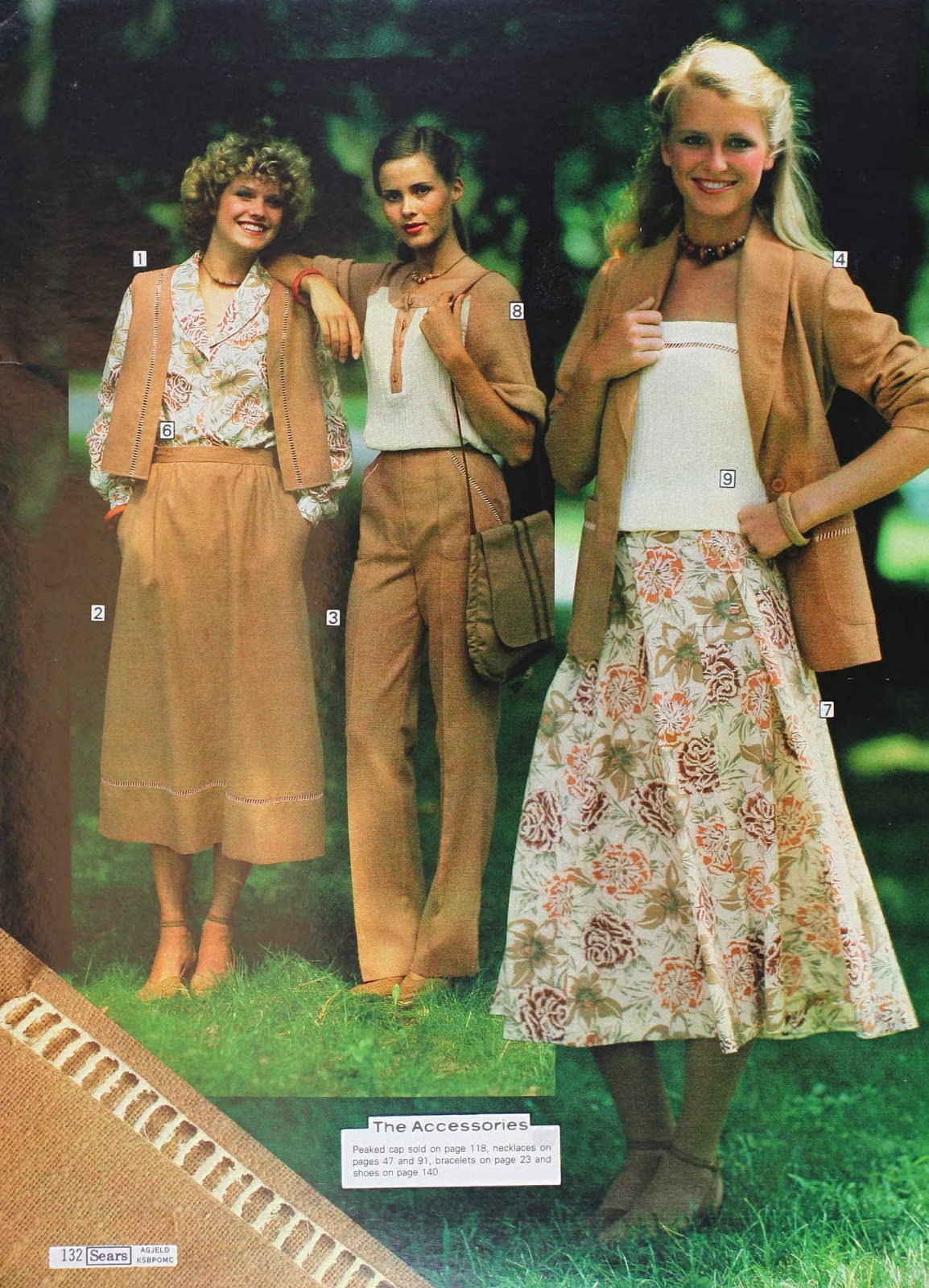
As fashion ebbs and flows, so too did the popularity of sleeve garters. The mid-20th century saw a marked decline in their use, paralleling a shift towards more casual attire. However, by the 1980s and 1990s, vintage fashion underwent a resurgence, and the appeal of sleeve garters was revitalized for a new generation. This revival can be attributed to a growing interest in retro aesthetics, where individuals began to seek unique accessories that convey character and individuality.
In recent years, sleeve garters have been embraced by fashion-forward individuals and collectors alike, reflecting a broader trend towards eclecticism in contemporary wardrobes. Wearing sleeve garters can evoke a sense of nostalgia, helping modern fashion enthusiasts to construct narratives around their ensembles. The vintage accessory not only enhances the visual allure but functions as a conversation starter, providing story fodder for the curious observer.
The eclecticism of sleeve garters is matched by their adaptability. They can be integrated into various styles, from dapper suiting to casual wear. They can even transcend traditional gender norms, being embraced by women and non-binary individuals who wish to augment their outfits with a touch of retro flair. This inclusivity is symbolic of a broader movement within fashion, where the constraints of gendered clothing are increasingly blurred.
Establishing a connection with the past is a recurring theme in vintage fashion. Sleeves garters evoke a sense of longing for bygone eras, serving as a tangible link to historical sartorial practices. Wearing them prompts an exploration of fashion history, an invitation to investigate the intricacies behind every accessory. How did style sensibilities shift? What do these changes reveal about societal attitudes toward appearance and status? Grasping these questions fosters a deeper appreciation of the journey of fashion evolution.
Incidentally, sleeve garters embody a paradox. Their primary function is deeply practical, yet they carry with them an air of theatricality. Wearing them suggests a quest for refinement, as if the wearer aims to strike a peculiar balance between sartorial rigour and creative self-expression. The juxtaposition of function and fashion unveils a narrative around identity—how individuals choose to present themselves, drawing on historical elements while simultaneously pushing contemporary boundaries.
The fascination with sleeve garters is not solely rooted in nostalgia; it’s also about personal expression. In an age of mass production, the choice to don vintage accessories can signal a rejection of mainstream fashion. Sleeve garters allow discerning individuals to curate their style, merging the old with the new. This alchemy of eras can create a dynamic visual language that speaks to one’s character and creative spirit.
As we delve further into the nuances of vintage fashion, sleeve garters stand out as a remarkable accessory that encapsulates a myriad of themes—functionality, style, historical significance, and personal expression. With their roots firmly planted in practicality, sleeve garters have blossomed into a symbol of individuality and a conversation piece rich with history. In cultivating a deeper understanding of their role, contemporary fashion encounters an opportunity to engage with the past while embracing the future—encouraging a dialogue about the ongoing evolution of style.