
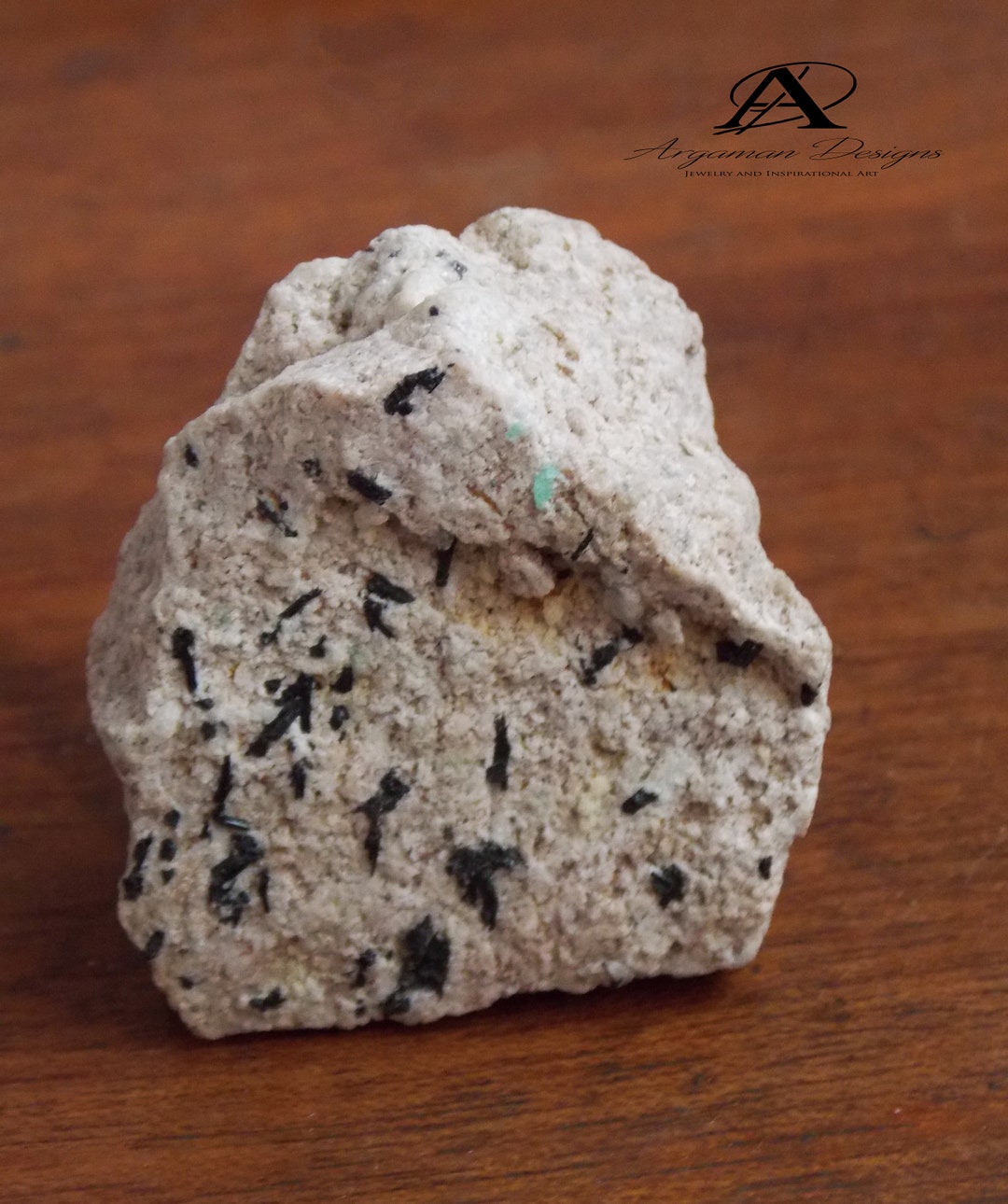
Emeralds have long captured the gaze of gem enthusiasts and collectors alike due to their striking appearance and historical significance. When discussing emeralds, it’s pivotal to differentiate between the polished, refined gemstones that one may typically see in jewelry and their raw, uncut counterparts that are sourced directly from nature. Raw emeralds present a unique perspective into the geological wonders from which they originate. This guide will delve into the characteristics of raw emeralds, their identification, and what one can expect when encountering nature’s green treasure.
Understanding Emeralds
Emeralds belong to the beryl family, which includes other minerals such as aquamarine and morganite. The distinctive green hue of emeralds is primarily attributed to trace amounts of chromium and sometimes vanadium. These gems rank between 7.5 and 8 on the Mohs scale of mineral hardness, making them relatively durable yet still requiring care to preserve their brilliance and allure. While faceted emeralds often shine with a deep, vibrant green, raw emeralds can exhibit a different aesthetic entirely.
The Appearance of Raw Emeralds
When examining a raw emerald, expectations should be set apart from those of cut and polished versions. Here are the crucial characteristics to note:
- Color: The primary visual cue for identifying a raw emerald is its vivid green hue. However, raw emeralds can display a range of greens—from light, yellowish greens to deeper, bluish tones. The color intensity may also vary across the stone’s surface.
- Transparency: Unlike their polished counterparts, raw emeralds may possess a milky or opaque appearance. This lack of transparency is often due to inclusions and the natural crystalline structure which has not been altered by cutting or polishing.
- Shape: Raw emeralds often exhibit irregular shapes that are a direct result of their natural formation. They may have rough edges and uneven surfaces, displaying their geological past.
- Inclusions: Characteristically, raw emeralds contain natural inclusions or “blemishes,” which are intrinsic to their identity. These inclusions may take the form of gas bubbles, other minerals, or fractures, adding unique personality to each specimen.
- Weight and Size: Raw emeralds can range in size from tiny fragments to substantial pieces. Their weight feels somewhat heavier than expected due to their density. A small chunk can weigh quite a bit, indicating its authenticity.
Geological Origins
Emeralds are formed within specific geological environments predominantly found in metamorphic rocks. Brazil, Colombia, and Zambia are among the most renowned sources of this gemstone. In these sites, the emergence of emeralds involves high-pressure and high-temperature conditions that allow the crystalline structures to develop over millennia. Understanding the geological background of emeralds can lend insights into identifying their characteristics when seen in raw form.
Identifying Raw Emeralds
Identifying a raw emerald can be exhilarating; several methods can aid in verification:
- Visual Inspection: The most immediate approach is to observe the stone’s color and texture. Look for distinct shades of green and the presence of natural inclusions.
- Hardness Test: How a stone reacts when scratched can provide clues to its legitimacy. Emeralds should not easily yield to scratches, reaffirming their toughness.
- Refraction Test: Emeralds have a specific refractive index. Using a refractometer can help gauge whether the stone conforms to emerald standards.
- Lupe Examination: Using a jeweler’s loupe can reveal more detailed characteristics, such as the types of inclusions present, confirming the stone’s identity.
The Mystique of Raw Emeralds
Beyond the physical attributes, there exists an alluring mystique surrounding raw emeralds that elevates them in the eyes of collectors. The allure derives not just from their beauty but also from the stories they carry—tales of geological formation and the history of their journey through the earth. Each raw emerald is a portal into the planet’s past, often awash with folklore, spiritual significance, and cultural heritage.
Caring for Raw Emeralds
Although raw emeralds are more durable than many minerals, they still require prudent care to prevent damage:
- Avoid Harsh Chemicals: Exposure to abrasive substances can detract from an emerald’s natural beauty; mild soap and water are best for cleaning.
- Storage Solutions: Store raw emeralds separately in a soft cloth or padded pouch to prevent scratches from other stones.
- Environmental Care: Keep raw emeralds away from extreme temperatures or direct sunlight, which can alter their color over time.
Conclusion
Raw emeralds are a splendid manifestation of nature’s artistry. Their intricate colors, formations, and historical richness render them not only desirable but also a point of fascination for gem aficionados. Understanding what to expect from raw emeralds equips enthusiasts with the ability to appreciate these natural treasures in their unrefined state, celebrating the wonders of our planet while ensuring that these gems continue to inspire awe for generations to come.