
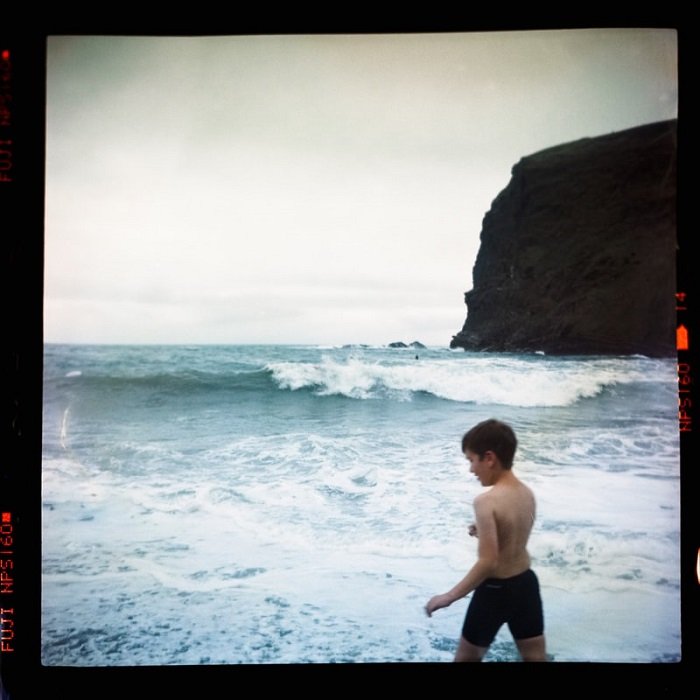
Expired film—an evocative term that conjures images of captured moments languishing in time, waiting to be resurrected through the alchemy of photography. Yet, what does expired film actually look like? This article delves into the intriguing world of expired film, dissecting its aesthetic qualities, the science behind its characteristics, and offering practical photography tips and tricks to achieve stunning results.
The Aesthetic Appeal of Expired Film
When one first encounters photographs taken with expired film, it is common to be captivated by its unique visual qualities. The appearance of such images can range from subtle shifts in color fidelity to vivid, unpredictable contrasts that set them apart from their fresh counterparts. Expired film often showcases a characteristic grain structure, which can convey a nostalgic or dreamlike aesthetic, reminiscent of a bygone era.
Colors may present a desaturated or muted palette, resulting in an ethereal quality that imbues photographs with a sense of history. Some common effects include warm, yellowish tones or even unexpected splashes of cyan, magenta, and green. These surreal color shifts can add an element of whimsy to otherwise ordinary scenes.
Each roll of expired film has its own narrative to tell. The variance in exposure and development conditions can yield a cacophony of artistic expressions that photographers often seek to harness. The beauty lies in the unpredictability and the potential for happy accidents, which can yield uniquely atmospheric photographs that evoke emotions ranging from nostalgia to curiosity.
The Science Behind Expired Film
Understanding the intrinsic properties of expired film requires a look into its chemical composition. Film is composed of light-sensitive silver halide crystals suspended in an emulsion. Over time, these crystals begin to degrade. Factors such as heat, humidity, and improper storage can accelerate this process, leading to altered image results upon development.
As film ages, its sensitivity to light diminishes, causing underexposure or requiring longer exposure times. Some color balances may shift as the dye layers fade or oxidize. This degradation is influencing the film’s overall performance, often resulting in diminished contrast and varying saturation levels.
Interestingly, the effects of expired film are not solely negative. In fact, many photographers intentionally select expired film for its unique attributes, likening its unpredictable qualities to the serendipity of life itself. Embracing this chaos can yield visually compelling images, making the exploration of expired film both a challenging and rewarding endeavor.
Photographic Techniques for Expired Film
Engaging with expired film may necessitate a paradigm shift in one’s photographic approach. Understanding the nuances of expired film can enhance technique and lead to unexpected artistic outcomes. Here are key techniques to maximize the potential of expired film:
- Embrace the Unpredictability: Approach expired film with an open mind. What you envision may not align with the final result. Use this unpredictability to inspire creativity, welcoming surprises that can turn into photographic treasures.
- Adjust Exposure Settings: Since expired film may have reduced sensitivity, consider overexposing your shots slightly. Experiment with longer exposure times to retain detail and texture inherent in the subject matter.
- Experiment with Different Lighting Conditions: Explore various lighting scenarios; expired film often thrives in low-light or golden-hour settings. The interplay of light can bring out unexpected color shifts and textures.
- Utilize a Flash: Incorporating a flash can counteract some of the deficiencies of expired film. A well-placed flash can illuminate shadowy corners, enhancing contrast and color vibrancy.
- Experiment with Camera Settings: If your camera allows for manual adjustments, play with different aperture settings to achieve varying depths of field. A shallow depth of field can create moody, intimate portraits while a wider aperture might help capture broader landscapes.
- Develop with Intent: Consulting with your lab can provide insight into how expired film might react during development. Request specialized developing techniques that might benefit the specific characteristics of the film in question.
Post-Processing Techniques
In an age where digital manipulation reigns supreme, post-processing can complement the distinct qualities of expired film effectively. Lightroom or Photoshop can offer tools to enhance colors, adjust contrast, and refine grain levels without sacrificing the film’s inherent character.
Consider employing color grading techniques to amplify specific hues, while ensuring that the integrity of the film’s expired qualities remains intact. Selective adjustments can create a mood that transcends conventional photography, allowing the ghostly echoes of time to resonate in your final images.
Conclusion
Exploring expired film is akin to embarking on a treasure hunt where the destination is not just the end product, but the journey itself. Understanding what expired film looks like requires more than just visual observation; it necessitates an appreciation of its complex relationship with light, time, and the elements. Armed with knowledge and creativity, photographers can navigate the whimsical landscape of expired film. Whether through unexpected color palettes or rich textures, the results can foster a compelling connection to both the medium and the moments captured within. Embrace the adventure, and let the artistry unfold.