
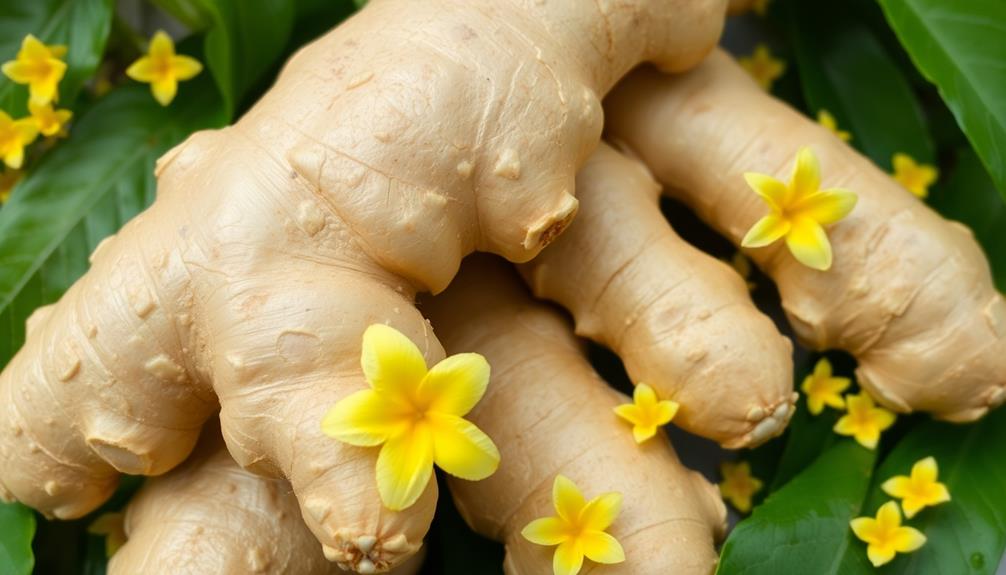
Ginger is not merely an herb; it’s a sensorial journey that awakens the palate and ignites the olfactory senses. Characterized by its unique aroma, the scent of ginger oscillates between being warm, spicy, and slightly sweet, creating an alluring fragrance that captivates the senses. If you’ve ever encountered ginger in any form, you likely have a perception or memory associated with its unmistakable smell. But what does ginger really smell like? And how does this aroma translate into its myriad culinary applications? Let’s embark on this aromatic exploration.
The Olfactory Profile of Ginger
Describing the fragrance of ginger is akin to painting with a potent palette of descriptors. Upon first inhale, one is met with a vibrant spiciness that instantly invigorates the air. The warmth of the aroma often evokes images of cozy kitchens and simmering pots, especially during the colder months. However, this spiciness is harmoniously balanced by a hint of sweetness, reminiscent of freshly grated ginger root, which contributes depth to its fragrance.
The most prevailing note is undoubtedly the pungency, which can be invigorating and sharp. Yet, there’s softness woven in that contrasts this sharpness, yielding an aromatic experience that’s both complex and layered. Some even detect hints of citrus in the background, giving ginger a fresh and zesty edge that is wholly unique.
Aromatic Composition of Ginger
To better understand the smell of ginger, it’s vital to delve into its aromatic composition. Gingerol, the principal bioactive compound in ginger, is responsible for most of its distinct scent. When ginger is crushed or grated, gingerol releases volatile compounds that produce that unmistakable fragrance. The aromatic profile also includes other compounds such as zingerone and shogaol, which emerge when ginger is dried or cooked. These compounds further contribute to the warmth and depth, particularly when utilized in culinary creations.
Ginger in Culinary Contexts
The culinary versatility of ginger is remarkable. Detection of its aroma can be immediate, whether it’s in a fragrant stir-fry, spice blend, or a steaming cup of ginger tea. As this warmth wafts through the air, it brings with it an invitation to indulge in a variety of dishes.
1. Global Cuisine
In Asian cuisine, ginger’s scent is often predominant. From the bustling street markets of Thailand to the sophisticated kitchens of Japan, ginger serves as both a flavoring agent and a fragrant component that enhances the dining experience. The smell emanating from ginger-infused dishes is not only appetizing but also promotes comfort and warmth, drawing diners into a culinary embrace.
2. Baking and Sweets
Conversely, ginger is equally at home in the baking realm, offering a nostalgic aroma that sweetens the air during the holidays. Gingerbread cookies, for instance, exemplify the wonderful marriage of ginger’s spiciness and sweetness, resulting in an enchanting scent that envelops the senses. The warmth unfolds as the cookies bake, filling homes with an alluring fragrance that evokes childhood memories and festive cheer.
3. Health Benefits and Infusions
Beyond its culinary prowess, ginger’s scent is often associated with wellness. The aroma of ginger tea, for example, not only stimulates the appetite but also releases therapeutic properties. In aromatherapy, ginger essential oil is used to reduce anxiety and promote overall emotional well-being—its fragrance is grounding yet uplifting, creating a unique balance that soothes the soul.
Ginger vs. Other Aromatic Herbs
When comparing ginger to other aromatic herbs like basil or rosemary, it becomes evident that ginger boasts a distinctive profile that invites unique culinary interpretations. While basil brings a fresh, herbaceous quality and rosemary offers piney notes, ginger’s inherent warmth and spice provide a comforting backdrop that enhances both savory and sweet dishes.
A Playful Challenge: Identifying Ginger’s Aroma
Now, here’s a playful challenge for you: close your eyes, and imagine the last dish you savored that contained ginger. Can you pinpoint the essence of its aroma? Was it the invigorating scent that arrived first, or did the earthy notes emerge after a while? Take a moment to recall how it smelled while cooking—did the scent evolve as the dish was prepared? This simple exercise reveals how ginger’s aroma has the power to conjure memories and emotions, effectively linking us to our culinary experiences and the joy of cooking.
Conclusion
In conclusion, ginger possesses a complex fragrance that is uniquely warm, spicy, and slightly sweet, marking it as an indispensable ingredient in both culinary and aromatic contexts. Its ability to blend seamlessly into a myriad of dishes makes it a thrilling addition to any kitchen. So, the next time you encounter ginger, whether freshly grated, dried, or in a steaming cup of tea, take a moment to savor not just its taste, but its alluring smell. Engage your senses fully; the fragrant journey of ginger awaits your exploration.