
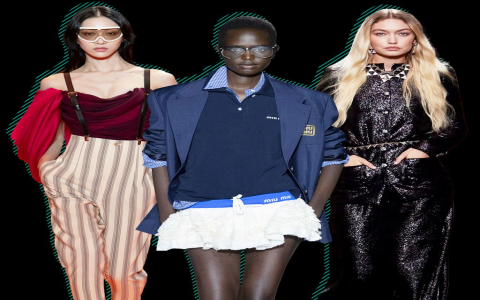
The relationship between two preeminent luxury brands, Louis Vuitton and Chanel, provides a fascinating lens through which to examine the dynamics of haute couture. Both of these iconic labels evoke a sense of prestige and exclusivity, yet they operate within realms that inherently value competition. Historically, these brands have represented distinctive philosophies, aesthetics, and narratives within the luxury market. This exploration delves into the insights and indirect commentaries that Louis Vuitton has made regarding Chanel, examining how their mutual perceptions shape consumer expectations and brand positioning.
1. Historical Context of Louis Vuitton and Chanel
To understand the relationship between these two titans of luxury, one must first delve into their respective histories. Louis Vuitton was founded in 1854 and is synonymous with travel and elegance, emphasizing craftsmanship and functionality. In contrast, Chanel began with the revolutionary vision of Gabrielle “Coco” Chanel in the early 20th century, disrupting the fashion landscape with notions of liberation and chic simplicity. Chanel’s iconic tweed jackets and quilted bags have become symbols of femininity and empowerment, whereas Louis Vuitton’s monogrammed luggage represents a lineage of aristocratic travel.
2. Brand Aesthetics and Philosophies
The aesthetic philosophies of Louis Vuitton and Chanel starkly diverge, contributing to their unique identities in the luxury sector. Louis Vuitton’s use of logos epitomizes branding as a status symbol. The LV monogram is perhaps the most recognized logo in the world, symbolizing affluence and sophistication. Meanwhile, Chanel takes a more understated approach, favoring elegant simplicity over ostentation. The elegance of Chanel’s aesthetic lies in its quiet luxury, challenging consumers to reconsider the value of subtlety versus flamboyance. This dichotomy raises questions about consumer desires and expectations within the luxury market.
3. Competitive Dynamics in Luxury Fashion
In the world of luxury fashion, competition is not only about sales but also about narrative and identity. Louis Vuitton’s approach can be perceived as a direct commentary on the Chanel brand ethos. By embracing bold branding, Louis Vuitton invites consumers to indulge in a portrayal of success and achievement. Conversely, Chanel’s mysterious allure invites a more introspective, individualistic connection with its clientele. The competition between these brands is palpable at fashion events and advertising campaigns, where nuances in their messaging signal differences in target audiences and brand aspirations.
4. Marketing Strategies and Public Perception
Marketing strategies employed by both brands heavily influence public perception. Louis Vuitton’s collaborations with artists, designers, and celebrities, including recent avant-garde projects, have redefined the traditional boundaries of luxury. This strategy not only enhances brand visibility but also positions LV as a contemporary, trend-forward entity. In contrast, Chanel’s advertising often draws on its extensive heritage, using iconic figures such as Karl Lagerfeld’s vision to evoke nostalgia and timelessness. The contrasting strategies showcase how each brand aims to navigate and cater to the changing landscape of luxury consumerism.
5. The Influence of Social Media on Brand Reputation
Social media has revolutionized the fashion industry, allowing brands like Louis Vuitton and Chanel to craft their narratives directly to consumers. Louis Vuitton’s vibrant and highly curated online presence showcases latest collections and partnerships, appealing to a digitally savvy audience craving instant gratification. Chanel, however, maintains an enigmatic persona, often employing selective visibility to enhance intrigue and desirability. This strategic positioning evokes loyalty from different segments of consumers who seek either immediate gratification or timelessness, creating an intricate tapestry of consumer expectation.
6. Consumer Expectations Shaped by Brand Identity
The identities crafted by these luxury houses create distinct consumer expectations. Louis Vuitton positions itself as a daily luxury, promoting the idea that its products are not just for special occasions, but for an artfully curated lifestyle. In contrast, Chanel cultivates an image of exclusivity, suggesting that its products represent the apex of luxury, meant for those who appreciate haute couture’s refined elegance. Consequently, consumer loyalty often aligns with these foundational principles, shaping purchasing decisions and brand allegiance.
7. Cultural Impact and Global Influence
The cultural impact of both brands extends beyond fashion into broader societal norms and ideals. Louis Vuitton’s commitment to collaborating with contemporary artists and influencers reflects an adaptive, forward-thinking ethos. This produces a ripple effect through various cultural spheres, further entrenching LV in popular culture. Meanwhile, Chanel’s timeless designs, such as the Chanel No. 5 fragrance, have made lasting imprints on societal perception of femininity and sophistication. The interplay of these cultural narratives has a dual influence: establishing consumer expectations and shaping the global luxury landscape.
8. Conclusion: Merging Paths in the World of Luxury
The ongoing dialogue between Louis Vuitton and Chanel is emblematic of a larger conversation within the luxury industry. While they may operate in a competitive environment, the implications of their philosophies, narrative strategies, and cultural impacts have created an intricate relationship where insights can be drawn. Each brand defines not only itself but also influences consumer expectations pertinent to luxury, style, and identity. As they continue to innovate while maintaining their quintessential legacies, the luxury fashion sector witnesses an ongoing evolution inspired by the collective influence of these two powerhouse brands.