
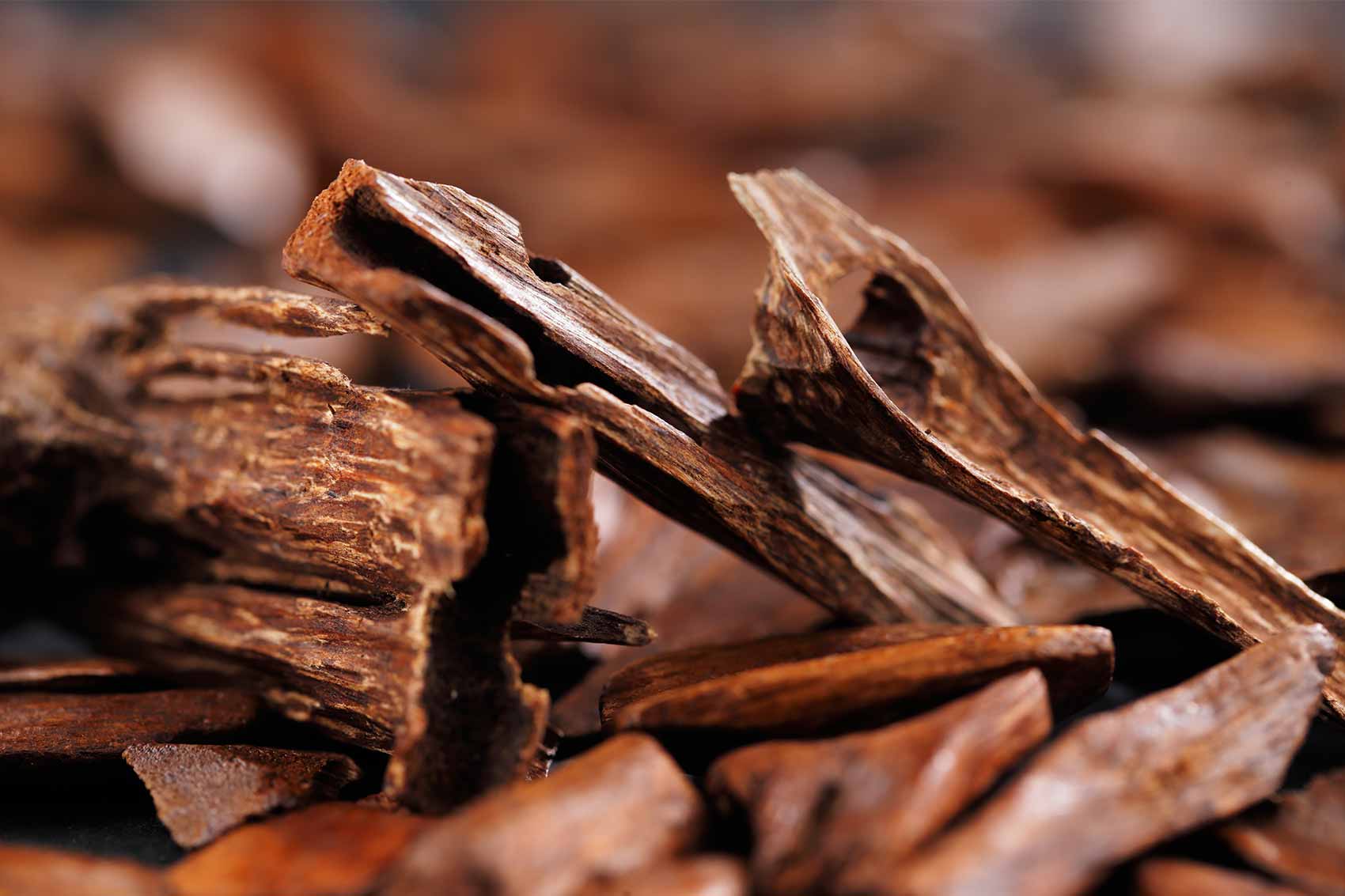
Sandalwood, a fragrance steeped in mystique and history, is not merely a scent but an olfactory experience that evokes a plethora of emotions and sensations. Its aroma is rich, warm, and woody, often described as creamy with a hint of sweetness, making it a beloved ingredient in perfumery and aromatherapy. To truly appreciate what sandalwood smells like, one must delve into its intricate fragrance notes and the way they interact with both skin and surrounding air.
The essence of sandalwood is derived from the heartwood of the Santalum album tree, predominantly found in India and parts of Australia. This vital component of the scent profile carries significant cultural importance, being utilized in spiritual rituals, incense, and, of course, perfumes. Understanding its olfactory profile begins with dissecting the primary notes present in sandalwood.
Base Notes: The Foundation of Sandalwood
At the heart of sandalwood’s aroma lies its base notes, which ground the fragrance and provide a lasting impression. The dominant characteristic is its woody essence, a warm and creamy scent that envelops the senses. This richness is often accompanied by soft, milky notes that enhance its smoothness, creating a soothing and comforting experience. When sniffing sandalwood, one can detect a subtle nuttiness that adds complexity to the scent, evoking imagery of nature and tranquility.
Additionally, sandalwood contains a hint of spiciness; however, it’s not the aggressive spice found in some fragrances. Instead, it manifests as a gentle warmth, complementing the woodiness and giving the fragrance an inviting allure. This unique profile makes sandalwood exceptionally versatile, allowing it to be used alone or in conjunction with other notes to create a harmonious blend.
Heart Notes: The Soul of the Fragrance
As one transitions from the base to the heart notes, sandalwood remains steadfast, but subtler nuances begin to emerge. Here, the creaminess of the wood amplifies, often complemented by floral undertones. Common companion notes include jasmine, rose, or ylang-ylang, which can elevate the sensuality and lend a touch of elegance to the overall blend. These florals harmonize beautifully, allowing sandalwood’s earthy richness to shine through while adding an ephemeral quality that lingers in the air. The heart notes of sandalwood are less about the robust woodiness and more focused on the balance and interplay of different elements that create a fuller sensory experience.
A fascinating aspect of sandalwood is its ability to change with wear. Upon initial application, it may present as a bright, slightly sharper scent before it melds seamlessly into the skin, revealing that creamy heart. This transformation not only adds to its complexity but also explains its popularity across various demographics. It appeals to those who appreciate both subtle elegance and earthiness.
Top Notes: The Initial Impression
Though sandalwood is predominantly characterized by its base and heart notes, the top notes play a critical role in shaping the initial experience. Sandalwood fragrances often incorporate citrus elements or green notes that provide a refreshing burst upon application. These fleeting scents are not the stars of the show; instead, they act as a prelude to the deeper, more profound characteristics of sandalwood that will develop over time.
The inclusion of these invigorating top notes can entice the wearer and those nearby, creating an immediate intrigue. However, they swiftly fade, revealing the heart and base notes that define sandalwood’s identity. This transition underscores the dynamic nature of sandalwood, reinforcing its reputation as a multifaceted fragrance.
Cultural Significance and Olfactory Impact
Beyond its aromatic characteristics, sandalwood holds a significant position in various cultures. For centuries, it has been revered in spiritual ceremonies, used in meditation practices, and employed as an offering in religious rituals. This cultural attachment underscores the emotional weight behind the fragrance, often associated with tranquility, clarity, and a meditative state of mind. The warm, soothing aroma acts as a bridge to serenity, creating an atmosphere conducive to reflection and deep thought.
In the world of perfumery, sandalwood is often a base for oriental and woody fragrances. Its ability to enhance and deepen other notes makes it an essential element in creating sophisticated blends. It acts as a connector, drawing together disparate ingredients to weave a cohesive and enchanting narrative within a fragrance. This characteristic is not just practical; it elevates sandalwood to a premium status, making it a sought-after component among celebrated perfumers.
Moreover, sandalwood’s olfactory impact reaches beyond fragrance; it also plays a crucial role in wellness practices. Often used in essential oil form, sandalwood is lauded for its calming effects, making it a popular choice in aromatherapy. Its ability to reduce anxiety, improve concentration, and promote relaxation has led to its incorporation in various holistic treatments.
Conclusion: Embracing the Mystique of Sandalwood
In summary, the myriad dimensions of sandalwood extend well beyond its immediate scent profile. By embodying a rich tapestry of creamy, woody, floral, and subtle spicy notes, it captivates the senses while providing a transformative experience. Its significance in various cultural contexts and its therapeutic properties further reinforce its status as a beloved fragrance element.
Exploring sandalwood is an invitation to engage with history, culture, and the complexities of scent. For those seeking a fragrance that promises depth and sophistication, sandalwood stands as a compelling choice, offering a fragrant journey that can shift one’s perspective and spark curiosity with every inhale.