
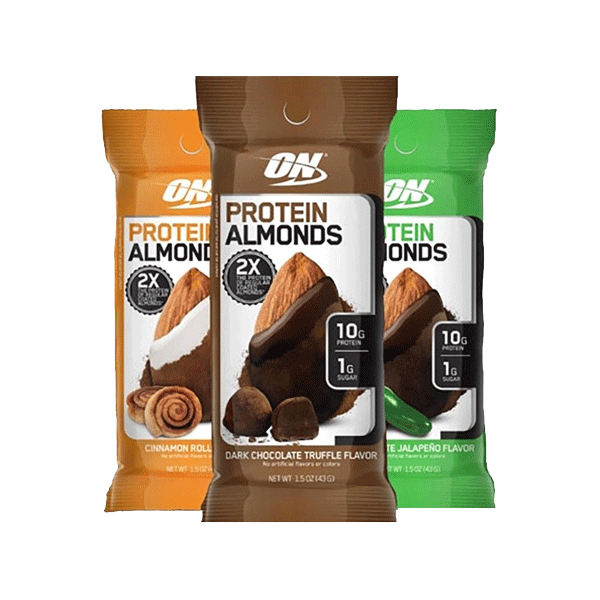
Almonds, the quintessential superfood, are celebrated not only for their delightful crunch and versatility but also for their substantial nutritional profile. High in healthy fats, fiber, vitamins, and minerals, they also present an intriguing juxtaposition when paired with incomplete proteins. This article explores various incomplete proteins that complement almonds, resulting in a balanced nutritional profile. Readers can expect an in-depth examination of food pairings, nutrition tips, and insights into how to craft scrumptious meals and snacks.
Understanding Incomplete Proteins
Proteins are composed of amino acids, which are organic compounds that serve as the building blocks of life. Among the twenty standard amino acids, nine are classified as essential, meaning they must be obtained through diet, as the body cannot synthesize them. Incomplete proteins lack one or more of these essential amino acids. Commonly derived from plant sources, incomplete proteins can be found in grains, legumes, and nuts, including the humble almond.
1. Legumes: A Perfect Pairing
Legumes, such as lentils, chickpeas, and black beans, are quintessential sources of protein, boasting a rich array of nutrients. While legumes are often deemed incomplete on their own, they dramatically enhance their amino acid profile when paired with almonds. This is attributable to the fact that almonds are rich in methionine, an amino acid that many legumes lack. This dynamic duo not only elevates protein intake but also provides a plethora of health benefits, including improved heart health and digestive function.
For example, a delightful chickpea almond salad can be prepared by tossing together chickpeas, diced cucumbers, tomatoes, and sliced almonds with a zesty lemon vinaigrette. The combination of flavors will tantalize your taste buds while fortifying your body.
2. Quinoa: The Ancient Grain
Quinoa has garnered acclaim as a super grain, with its impressive nutritional credentials and status as a complete protein. However, for those seeking an enriching dish that highlights incomplete proteins, combining quinoa with almonds can yield spectacular outcomes. Almonds contribute healthy fats and vitamin E, auguring well for the cellular health and vitality of the body.
Consider crafting a quinoa almond pilaf, sautéing garlic, onion, and vegetables of your choice before introducing cooked quinoa and toasted almonds. This scrumptious and wholesome dish is not only packed with nutrients but also transcends the average meal, bringing elegance and nourishment to the dining table.
3. Rice: The Staple Grain
Rice, particularly brown rice, is an accessible and versatile staple across many cultures. It serves as an incomplete protein due to its deficient lysine content. However, when amalgamated with almonds, the protein profile significantly improves. The crunchy texture of almonds juxtaposed with the soft grains of brown rice creates an appealing sensory experience, making fusion dishes a delight for both the palate and body.
One can whip up a delectable almond fried rice, incorporating sautéed vegetables and an array of spices, ensuring an explosion of flavor. This dish is an excellent option for individuals looking to increase their protein intake while enjoying a sumptuous meal.
4. Seeds: Tiny Powerhouses
Seeds such as chia, hemp, and sunflower seeds are outstanding additions to the culinary world. While being excellent sources of healthy fats and micronutrients, they often lack certain essential amino acids, rendering them incomplete proteins. However, combining these seeds with almonds generates a nutritional powerhouse.
For instance, a seed and almond trail mix can serve as a delightful on-the-go snack. Mixing together chia seeds, pumpkin seeds, sun-dried fruits, and almonds creates a burst of flavors and nutrients. This snack not only satiates hunger but energizes, providing an ideal balance of protein, healthy fats, and fiber.
5. Combining Incomplete Proteins for Optimal Nutrition
To maximize the nutritional benefits derived from incomplete proteins, one effective strategy is to adopt complementary protein combinations. This concept entails pairing different incomplete protein sources to form a complete amino acid profile. Culinary creativity becomes essential in binding flavors and nutrients together.
For instance, pairing almond butter with whole-grain bread provides a wonderful combination of proteins. The bread lacks certain amino acids found in almond butter, thereby creating an optimal balance. Similarly, almond-based smoothies featuring spinach and banana can yield diverse nutrients while ensuring both protein and micronutrient adequacy.
6. Practical Nutritional Tips
When pondering the best ways to incorporate incomplete proteins with almonds into daily meals, a few key nutrition tips adhere:
- Diversify Your Plate: Aim to consume a wide array of protein sources to ensure all essential amino acids are covered.
- Snack Wisely: Incorporate almond-based snacks between meals to maintain energy levels and prevent unnecessary cravings.
- Experiment: Don’t hesitate to try new combinations of incomplete proteins with almonds. The culinary world is your playground!
- Stay mindful: Balance portion sizes and be conscious of overall nutrient intake in the context of your dietary needs.
In conclusion, almonds provide a unique opportunity to enhance the nutritional profile of incomplete proteins. By exploring pairings with legumes, grains, and seeds, one can create diverse and flavorful meals that contribute to overall well-being. Crafting dishes with incomplete proteins alongside almonds equips you to enjoy a robust culinary experience that nourishes both body and soul.