
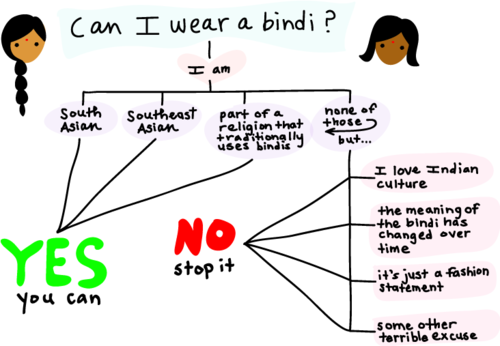
The bindi, traditionally a decorative mark worn on the forehead between the eyebrows, holds significant cultural and religious meaning in various Indian traditions. Yet, in recent years, it has transcended its original context, morphing into a fashion statement embraced globally. Central to this evolving narrative is the concept of a ‘Bindi Bag,’ a cultural artifact that is gradually emerging in diverse contexts. This article aims to elucidate what a Bindi Bag is and provide comprehensive insights into its significance and multifaceted nature.
What is a Bindi Bag?
A Bindi Bag is a designer pouch or small bag often adorned with traditional motifs, mirrors, and vibrant fabrics, specifically curated for carrying bindis. While its primary function is practical, serving as a compact and stylish means to store bindis, it also symbolizes the role of the bindi in modern lifestyle choices. Typically, these bags are crafted with an array of textiles, showcasing a melange of colors representative of the rich heritage behind the bindi itself.
The Origin and Cultural Significance of Bindis
Historically, bindis originated in ancient India, where they were integral to both religious practices and aesthetic customs. Traditionally, they signify marital status among Hindu women — red being predominantly worn by married women, while single women might opt for other colors. In contemporary society, however, the bindi has evolved into a universal symbol of beauty, transcending its cultural confines to embrace a broader spectrum of meanings, from fashion accessory to a bold expression of individual identity.
This evolution raises questions about cultural appropriation and appreciation. The proliferation of bindis in Western fashion circles prompts discussions surrounding ownership and respect for cultural symbols, making the presence of a Bindi Bag all the more poignant as it embodies a bridge between cultures.
Craftsmanship Behind Bindi Bags
The artistry involved in creating a Bindi Bag is a testament to traditional craftsmanship. Artisans often employ age-old techniques of embroidery, patchwork, and mirror work, resulting in unique pieces that not only serve a function but also tell a story. Each bag may represent the specific traditions of a region in India, incorporating local styles that reflect the community’s history and aesthetic preferences.
Moreover, the materials used to create Bindi Bags further represent sustainability. Many artisans prioritize local, eco-friendly resources, harnessing organic fabrics and natural dyes. This conscious choice not only contributes to environmental conservation but also preserves artisanal skills that may otherwise be lost in a rapidly industrializing world.
Functionality Meets Fashion
In a world increasingly dominated by fast fashion, a Bindi Bag elegantly marries functionality with aesthetic appeal. While its primary purpose is to house bindis, these bags are versatile enough to serve various everyday needs. They can easily transition into a small purse for carrying essentials like keys or lipstick, an artifact for preserving mementos, or even a cultural token that sparks conversations in social settings.
Fashion bloggers and influencers are often seen sporting Bindi Bags, enhancing their outfits with a touch of cultural flair. This not only piques curiosity among their followers but also promotes a respectful dialogue about cultural symbols. The act of carrying a Bindi Bag can thus be seen as an embrace of cultural diversity, allowing individuals to appreciate traditions that may differ from their own.
Types of Bindi Bags
Depending on the crafting techniques and the regions from which they originate, various styles of Bindi Bags exist. Some may feature intricate beadwork characteristic of Rajasthan, while others might include the colors and patterns associated with the tribal crafts of Madhya Pradesh. The diversity in design reflects not only regional artistic expressions but also personal tastes — from minimalist designs for understated elegance to flamboyant bags for those who prefer to make a bold statement.
One can also find Bindi Bags designed with specific occasions in mind. For weddings, bags embellished with heavier embroidery or adorned with gemstones may be preferred, while the everyday utilization may call for simpler, more durable choices. This spectrum of options ensures that there is a Bindi Bag suited for various contexts, making it an essential accessory for both cultural celebrations and daily use.
Where to Buy Bindi Bags
Acquiring a Bindi Bag can be an enriching experience in itself. Numerous artisans and ethical brands focus on preserving traditional crafting techniques while ensuring fair compensation for their work. Online marketplaces that specialize in handmade goods often provide a platform for these artisans, allowing consumers to support local craftspeople directly. Furthermore, visiting local expos or festivals that celebrate Indian culture can provide unique opportunities to purchase authentic Bindi Bags.
Furthermore, e-commerce platforms are increasingly promoting these bags as awareness of their cultural significance grows. Shoppers should seek out reputable sellers who emphasize ethical sourcing and craftsmanship, thus ensuring their purchase supports sustainable practices and responsible tourism.
Final Thoughts
The Bindi Bag, while simple in concept, encapsulates a rich tapestry of history, culture, and evolving identity. As individuals increasingly seek to celebrate diversity and recognize the importance of cultural symbols, the Bindi Bag serves as more than just a storage solution for bindis. It stands as a testament to the depth of cultural appreciation, artistry, and the ongoing dialogue surrounding heritage in a globalized world.
Understanding the Bindi Bag means embracing not only its aesthetic charm but also acknowledging its roots, the meticulous craftsmanship involved, and its role in contemporary society. The next time one encounters a Bindi Bag, it can serve as a reminder of the profound connections we all share through culture, art, and the stories we carry.