
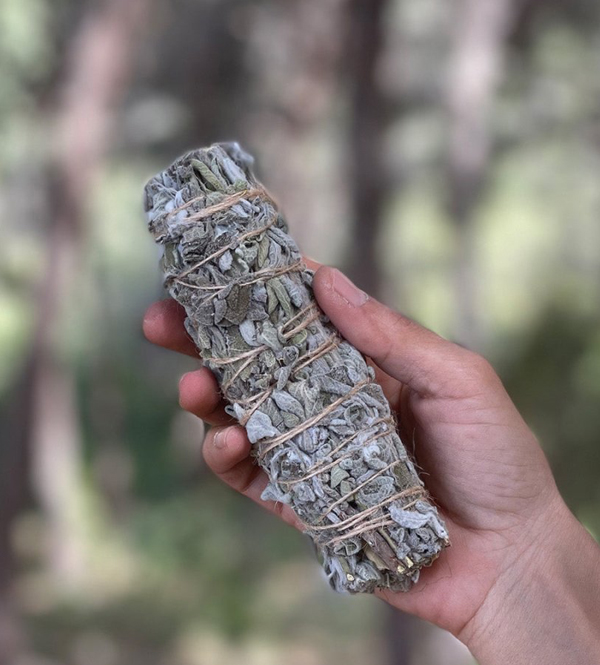
When considering the sanctity of various ritualistic practices, one may encounter the sage stick, an organic assemblage with profound cultural and spiritual significance. Indigenous cultures, particularly Native American tribes, have long employed sage for its cleansing properties. The sage stick, often referred to as a smudge stick, serves a purpose that extends beyond mere fragrance; it is a tool steeped in tradition, imbued with intentions to purify, protect, and encourage mindfulness.
Understanding the sage stick requires exploration into its composition. These bundles are commonly crafted from dried sage leaves, predominantly white sage (Salvia apiana), though other variants like blue sage and desert sage are also employed. The sage is typically harvested with respect and reverence, considering the ecological balance and the plant’s cultural significance. Once harvested, the leaves are tightly bound, and sometimes other sacred herbs such as cedar, sweetgrass, or lavender may be included, creating a multifaceted aromatic experience.
Smudging, which is the act of burning sage, encompasses a rich heritage. Traditionally practiced by various Indigenous peoples, this routine serves as a means of clearing negative energy and fostering a tranquil environment. The smoke produced during smudging is believed to carry prayers and intentions into the spirit realm, making it a holistic practice that synthesizes the physical, emotional, and spiritual realms.
Before embarking on the practice of smudging, preparation is key. First, select a space free of distractions, thereby allowing for a focused session. It is imperative to approach this ritual with mindfulness; your intentions should be clear. Consider what you wish to cleanse. Is it a physical space, a specific object, or perhaps even an emotional state? Understanding your motives enhances the effectiveness of the ritual.
Upon preparation, the sage stick is ignited, typically using a flame source like a candle or match. Once lit, it is customary to extinguish the flame, allowing the stick to smolder and produce smoke. A common method involves holding the stick at a 45-degree angle and allowing the smoke to waft around oneself or the intended space. Some practitioners prefer to utilize a feather or their hands to guide the smoke in specific directions, symbolizing the transmission of one’s intentions.
The act of smudging is as much about ritual as it is about the practical application of cleansing. For many, the ritual acts as a meditative practice, cultivating a moment of stillness amidst the chaos of daily life. As one inhales the earthy aroma of burning sage, they may find themselves drawn into a deeper state of reflection—an opportunity to connect with the present moment.
Nevertheless, the sage stick is not without its controversies. The popularity of sage in holistic practices has led to overharvesting, raising concerns about the sustainability of the plant. Consequently, ethical considerations arise. It is paramount to source sage responsibly, ensuring that it is harvested in a manner that honors the cultural practices from whence it originates. Purchasing sage from artisans and reputable sources that emphasize sustainability can mitigate ecological concerns.
Additionally, it is vital to acknowledge the commodification of Indigenous traditions. As smudging enters the mainstream, many Indigenous people advocate for respectful education on these practices rather than mere cultural appropriation. Engaging with these customs should be done with thorough understanding and respect for their origins.
Beyond the spiritual, the physical benefits of smudging are also noteworthy. The aromatic compounds released during combustion can possess antimicrobial properties, potentially purifying the air of unwanted pathogens. Many users report experiencing improved mood and a sense of calm following a smudging ritual, making it an appealing addition to personal wellness routines.
Once the smudging process concludes, one should allow the sage stick to burn out completely or extinguish it safely in a fireproof vessel, emphasizing the importance of safety during this practice. Closing the ritual is as crucial as beginning it; a simple acknowledgment of gratitude for the cleansing can reiterate one’s intentions. This act also serves to ground the practitioner and signify the end of the ceremony.
Smudging can be integrated into various aspects of daily life. Consider incorporating it into your home cleansing routine, particularly before welcoming a new season or after experiencing emotional upheaval. It can also be a ritual performed before meditation or yoga practices to prepare the mind and body for deep introspection.
With its myriad benefits and cultural significance, the sage stick serves as more than merely a tool for cleansing; it embodies a bridge between the physical and spiritual worlds. By engaging with the practice of smudging thoughtfully, one can tap into a lineage of healing and wisdom that transcends cultural boundaries.
In conclusion, the sage stick and the practice of smudging offer a rich tapestry of tradition, mindfulness, and healing. By approaching this ancient ritual with respect, awareness, and a commitment to ethical practices, you can cultivate not only a space of tranquility but also an appreciation for the deeper meanings embedded within these customs. Embrace the opportunity to connect with your surroundings on a more profound level, inviting clarity and serenity into your life.