
In the vast landscape of textiles, a specific fabric known as bull denim has emerged as a standout choice for many designers and consumers alike. But what exactly is bull denim fabric? This article delves into the intricacies of bull denim, unraveling its unique characteristics, myriad applications, and the reasons it has garnered a reputation as a versatile compound in the world of fabric.
Understanding Bull Denim Fabric
Bull denim is a sturdy, heavy-weight cotton fabric that derives its name from its robust nature. Unlike traditional denim, which is often woven with a twill pattern, bull denim can sometimes present a smoother finish, while still retaining the distinctive rigidity associated with denim textiles. It is known for its durability and strength, which makes it particularly suitable for apparel that requires substantial wear and tear, such as jeans, jackets, and industrial clothing.
What sets bull denim apart is its unique construction. Crafted from cotton fibers, the fabric is typically made using a sateen weave structure, which allows for a more pronounced surface texture that offers both visual appeal and functional utility. This weaving technique helps to tame the voluminous nature of the fabric, resulting in a well-defined product that is simultaneously soft to the touch yet ruggedly resilient.
The Characteristics of Bull Denim
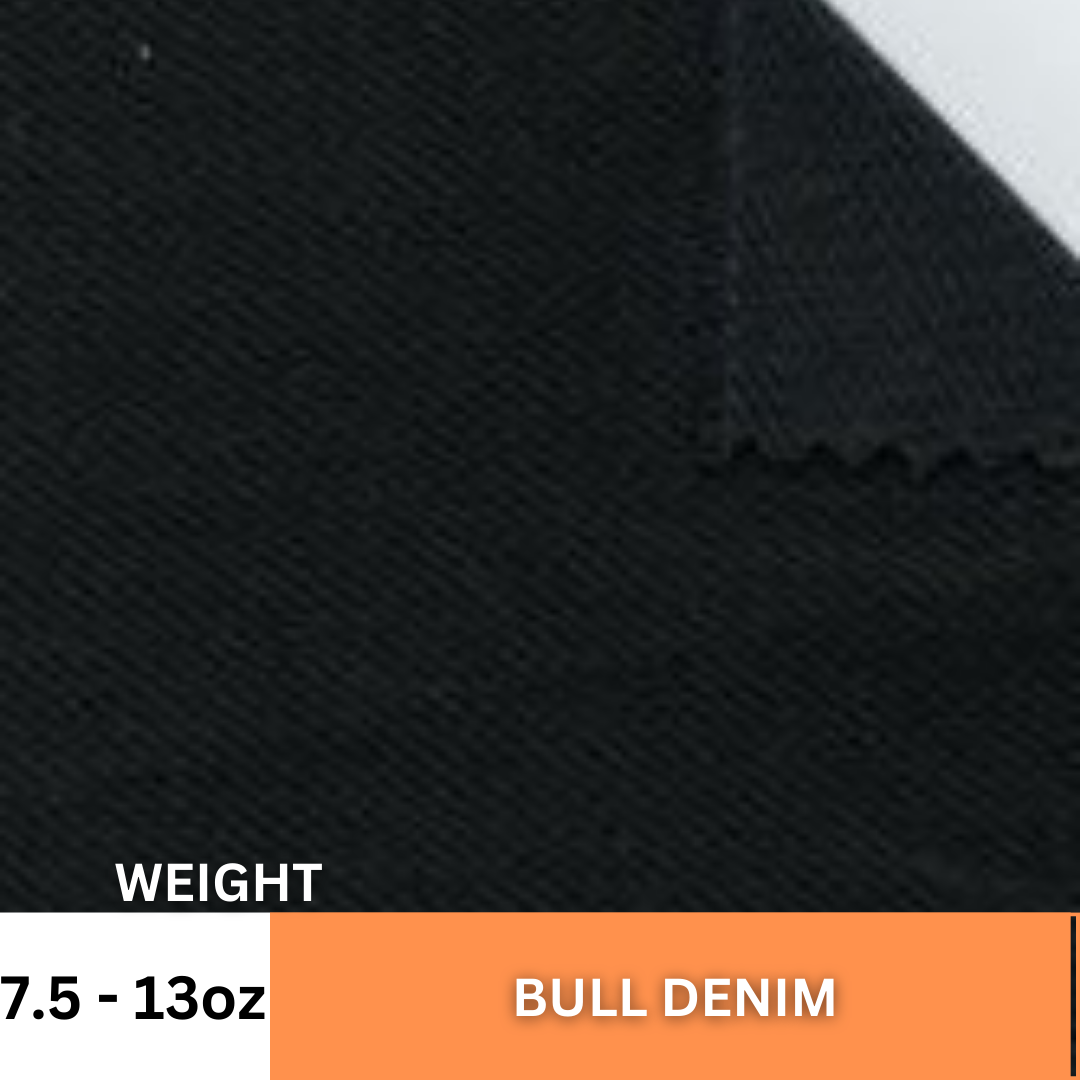
1. Weight: Bull denim generally weighs between 10 to 14 ounces per yard, making it significantly heavier than regular denim. This added weight provides a sense of heft and quality, evoking durability in every fiber.
2. Texture: The surface of bull denim is often smoother than that of conventional denim. This quality is particularly appealing for applications that prioritize aesthetic refinement without compromising on strength.
3. Color Retention: Bull denim is known for its ability to retain color. Manufacturers often dye the fabric using reactive dyes, which can withstand extensive laundering without fading, ensuring longevity in vibrant hues.
4. Breathability: Despite its heavy weight, bull denim exhibits a level of breathability that makes it comfortable for extended wear. This quality is crucial for garments intended for both indoor and outdoor use.
5. Versatility: The fabric’s adaptations for various finishes – from washed to raw denim – allow it to cater to a diverse range of styles and applications, appealing to a wide array of fashion sensibilities.
Applications of Bull Denim
The applications of bull denim are as varied as its characteristics. Here are several common uses that showcase its versatility:
1. Apparel: Perhaps the most recognizable application of bull denim is in the world of clothing. It is particularly favored for making jeans, skirts, jackets, and overalls. The sturdy nature of the fabric provides wearers with reliable comfort and style.
2. Upholstery: Bull denim’s durability makes it an excellent option for upholstery. It can be employed in making furniture covers, cushions, and other home decor elements that experience regular use.
3. Workwear: Many professional industries utilize bull denim for producing work garments due to its robust durability. Mechanics, carpenters, and other tradespeople often rely on this fabric to withstand the rigors of their daily tasks.
4. Accessories: Bull denim lends itself well to crafting accessories such as bags and belts. Though sturdy, the fabric can also be manipulated into various shapes and styles, making it a go-to choice for fashion-forward items.
Care and Maintenance
Caring for bull denim is a straightforward endeavor, but it does require some consideration to maintain its structural integrity and visual appeal. Most bull denim garments can be machine washed in cold water with like colors. However, opting for a gentle cycle and avoiding bleach can help preserve the color vibrancy and texture.
To maintain its shape, it is advisable to line dry or tumble dry on low heat. Frequent washing can lead to fading or distortion if not handled with care, so consider spot cleaning or washing only when necessary for smaller items or less soiled garments.
Environmental Considerations
In today’s environmentally-conscious society, the production of fabrics often comes under scrutiny. Bull denim, being predominantly cotton-based, has a lower environmental impact compared to synthetic alternative fabrics, provided it is sourced sustainably. The use of organic cotton in its production can further mitigate negative environmental effects.
Moreover, the longevity of bull denim contributes positively to the planet by reducing the frequency of garment replacement, thus leading to less waste. Consumers are encouraged to choose brands that prioritize sustainable practices in their sourcing and production processes.
Conclusion
In summary, bull denim fabric represents a remarkable fusion of durability, versatility, and style. With its superior characteristics and multifarious applications spanning various industries, it promises not merely functionality but an elevation in aesthetic appeal. Embracing bull denim is akin to welcoming a new perspective in the world of textiles; it is a reminder that strength can indeed coexist with grace. Exploring its depths is a journey towards appreciating the intricate craftsmanship behind a fabric that is firmly entrenched in contemporary fashion and utility.