
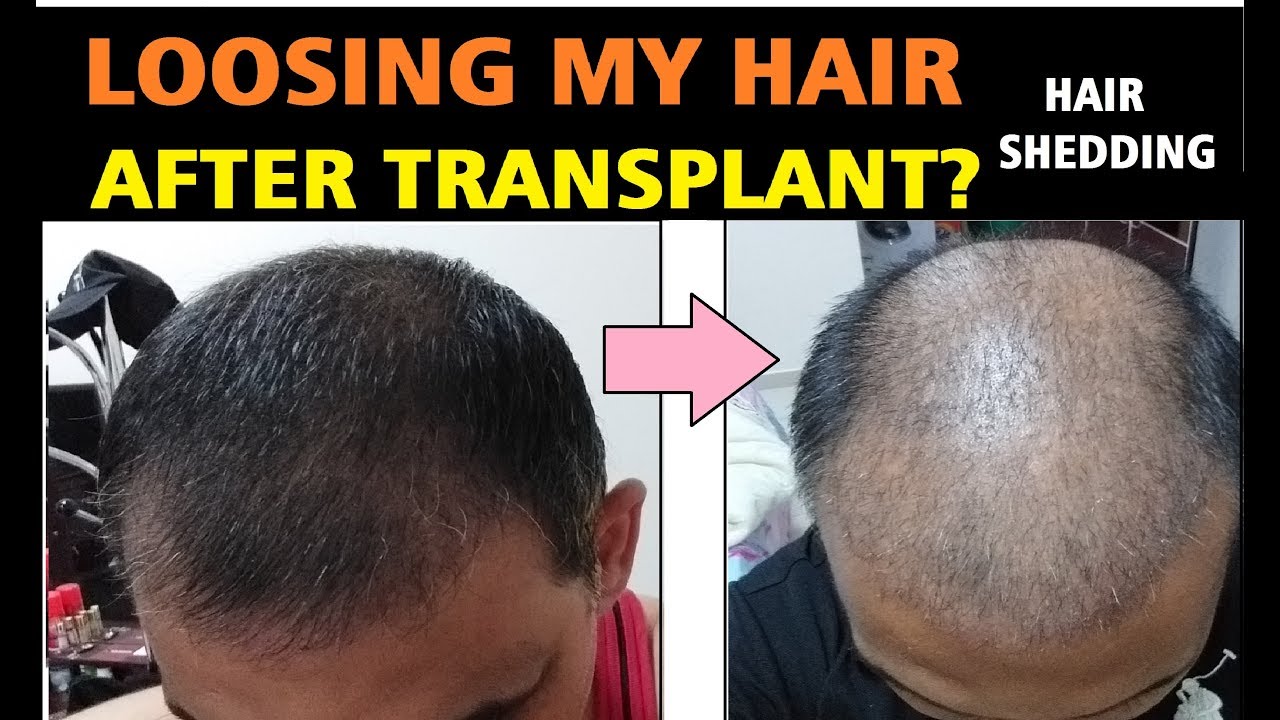
Minoxidil, a widely recognized treatment for androgenetic alopecia, commonly referred to as pattern baldness, has garnered attention for its potential to revitalize hair growth. However, a perplexing phenomenon often accompanies its use: shedding. This phenomenon, characterized by an initial increase in hair loss for many users, has led to widespread inquiries about its timing, causes, and implications. To uncover the intricacies behind minoxidil shedding and its relationship with hair regrowth, let’s delve deeper into what users can expect when embarking on this treatment journey.
Understanding Minoxidil: Mechanism of Action
Minoxidil functions by enhancing blood flow to the hair follicles, facilitating nutrient delivery essential for hair growth. Its principal mechanism involves the widening of blood vessels, leading to improved oxygen supply and increased follicular stimulation. This is why minoxidil is not merely a topical treatment — it plays a pivotal role in the biological processes underlying hair regeneration.
The Shedding Phenomenon: What is it?
Upon initiating minoxidil treatment, many users report an unsettling increase in hair shedding. This shedding typically manifests within the first few weeks of treatment and can last for a duration of several months. Although this initial reaction may seem alarming, it is a medically recognized response known as “telogen effluvium”. In this process, hair follicles transition into the telogen (resting) phase, leading to a temporary increase in hair loss.
When Does Shedding Begin?
For numerous individuals, minoxidil shedding commences approximately two to four weeks after the onset of treatment. The timing can vary significantly based on individual metabolism, overall hair health, and adherence to the application regimen. Users may begin to notice a subtle increase in hair loss in the shower, on hairbrushes, or during routine styling. Understanding this timeline is crucial for managing expectations and alleviating concerns during what can be a disconcerting phase.
Why Do Users Experience Shedding?
The increased hair loss is often attributed to minoxidil’s mechanism of action. As minoxidil stimulates dormant hair follicles, it pushes existing hairs — which may have been in the telogen phase — towards shedding. This is paradoxical yet essential for the eventual enhancement of the growth phase (anagen phase), wherein new, robust hair strands begin to sprout.
The Associated Timeline: What Happens After Shedding?
Following the initial shedding phase, users may begin to observe signs of hair regrowth roughly 8 to 12 weeks into treatment. The new hair, often finer and lighter in color, signifies the transition of follicles into the anagen phase, where they will produce stronger and denser hair over time. The key here is patience. It’s typically advised that users continue the treatment for at least four to six months before assessing the overall effectiveness.
Managing Shedding: Tips and Best Practices
1. Stay Consistent: Adhering to a consistent application schedule is critical. Irregular use can exacerbate shedding effects.
2. Maintain a Healthy Scalp: Prioritize a healthy scalp environment. Regularly cleanse the scalp and avoid using harsh hair products that may irritate the skin.
3. Consult a Specialist: If concerns about shedding escalate, engaging with a dermatologist or trichologist can provide insights specific to individual cases and guide treatment protocols.
Potential Side Effects of Minoxidil
While shedding is a common phenomenon, users should be cognizant of potential side effects associated with minoxidil. These may include scalp irritation, dandruff, and in some rare cases, a rapid heartbeat or weight gain. Understanding the side effects and distinguishing between benign reactions and those that warrant medical advice is imperative for anyone considering minoxidil as a long-term solution.
Realistic Expectations: Minoxidil and Hair Regrowth
The overarching promise of minoxidil is its capacity to promote hair regrowth. However, it is essential to manage expectations. While many users experience positive outcomes, results can vary significantly. Factors such as age, genetics, and the extent of hair loss prior to treatment influence efficacy. Those who begin treatment early in their hair loss journey often have better chances of achieving satisfactory results.
Conclusion: Embracing the Journey
Minoxidil shedding can emerge as a perplexing and concerning part of the hair restoration process. However, understanding its nature, timing, and underlying mechanisms empowers users to approach it with a more informed mindset. The journey towards hair regrowth can be fraught with challenges, but patience and consistency are key to unlocking the potential benefits of minoxidil. Remember, shedding is often a precursor to regeneration, and this experience, while disheartening, is a necessary interim step towards achieving fuller, healthier hair.