
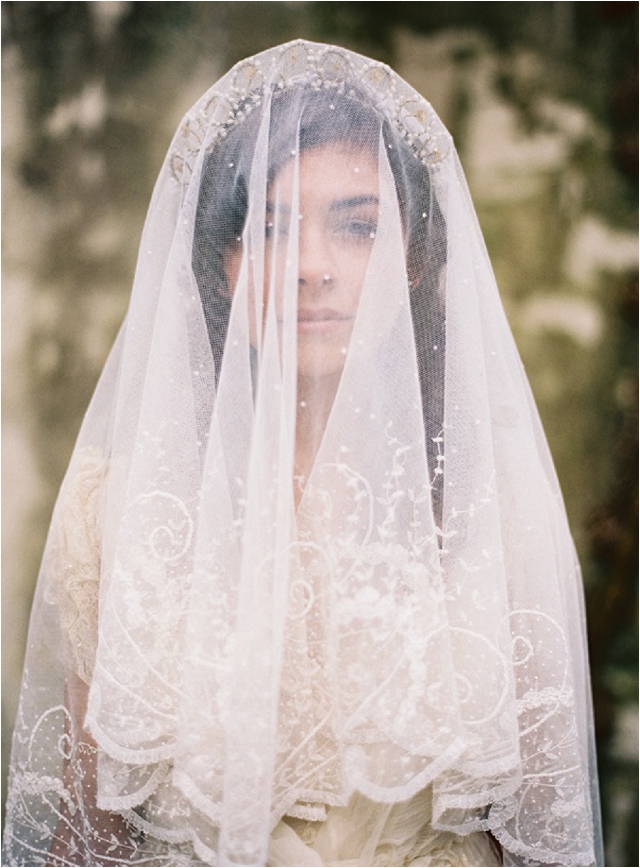
In the realm of bridal accessories, the veil occupies a sacred space, signifying purity, tradition, and often a touch of mystery. When discussing the intricacies of veils, one pertinent question arises: when is the veil the thinnest? This topic not only delves into the physical properties of different veil styles but also considers the ideal moments and emotional context for a bride to don such a delicate adornment. In this article, we will explore the various types of veils, their respective weights and sheerness, and provide tips for selecting the perfect veil to complement any bridal gown.
Understanding the Types of Veils
Veils are not merely an accessory; they can significantly influence a bridal look. It is essential to comprehend the different types of veils available, as this directly relates to their thickness or thinness. Here, we discuss three primary categories:
- Chapel Veil: This style extends to the floor or even beyond, often made from lightweight tulle or organza. Chapel veils combine elegance with grandeur, yet they can vary in density depending on the fabric.
- Birdcage Veil: Typically a shorter veil styled to cover the face, birdcage veils are generally made from fine netting. They offer a playful and vintage charm, acting as a striking accessory rather than a complete covering.
- Cathedral Veil: As one of the longest options available, cathedral veils create an air of regality. Often crafted from sheer materials, they can be weighty yet light on the eye, depending on their design and embellishments.
One must note that the fabric’s material and the veil’s style blend to create varying degrees of translucency, thereby influencing when the veil may appear its thinnest.
The Science of Sheerness
The thickness of a bridal veil primarily depends on the fabric’s weave and construction. Tulle is one of the most popular choices for brides seeking a diaphanous effect. It is exceptionally lightweight and airy, making it an ideal candidate for showcasing intricate hairstyles while allowing light to play through it. Bridal tulle is available in various weights, with the thinnest versions being ethereal and almost gossamer thin.
Conversely, lace-edged veils can appear denser due to the intricacy of the lace patterns. While the lace itself may offer an exquisite touch, it can also inadvertently lend weight and thickness to the veil, diminishing the desired lightness.
Choosing the Right Moment for the Veil
Timing plays a vital role in the veil’s unveiling, enhancing its emotional impact. Traditionally, veils are donned during the ceremony, creating a poignant moment during the exchange of vows. However, there are other times when the veil may be in its thinnest yet most impactful form:
- Ceremonial Unveiling: Often symbolizing the transition from singlehood to matrimony, the unveiling is rich in symbolism. During this moment, the veil’s delicate presence often captures the attention of guests, adding to the ethereal atmosphere.
- Post-Ceremony Photos: After the ceremony, brides may choose to remove the heavier layers of their tulle veils for portrait sessions. This allows them to showcase their hair and makeup more distinctly, emphasizing their bridal beauty.
- Reception Fun: Many brides opt for a simpler, shorter veil at the reception. The lighter weight of a birdcage veil or a sheer overlay allows for ease of movement and celebrates the joyous intimacy of the gathering.
Accessorizing the Veil
Once the veil has been selected based on its type, weight, and the occasion, the next step is accessorizing. A veil should harmonize with the bridal ensemble seamlessly. Consider the following:
- Hair Accessories: A delicate hairpiece can beautifully complement a thin veil. Think of floral crowns, sparkling combs, or even simple pins that can be nestled within the veil without overwhelming it.
- Jewelry Considerations: With the veil’s soft appearance, opting for understated jewelry is wise. Simple pearl earrings or a classic pendant can allow the veil—and the bride’s natural beauty—to shine.
- Dress Coordination: It is crucial for the veil to meld with the gown’s fabric. For intricate lace dresses, match the veil’s lace patterns or colors; for flowy gowns, a light tulle veil might create a cohesive look.
Final Thoughts
In conclusion, when exploring when the veil is the thinnest, it becomes apparent that various factors come into play—from the type of veil chosen to the moment it is worn. The thinnest veils, often woven from the lightest materials, provide an ethereal quality that can elevate the bridal outfit while maintaining the traditional essence of the occasion. By carefully considering the fabric, style, and timing of the veil’s appearance, brides can curate a truly memorable and enchanting look that resonates throughout their wedding day. A veil, after all, is not just an accessory; it forms an integral part of the bridal story, cloaked in expectations, nuances, and timeless beauty.