
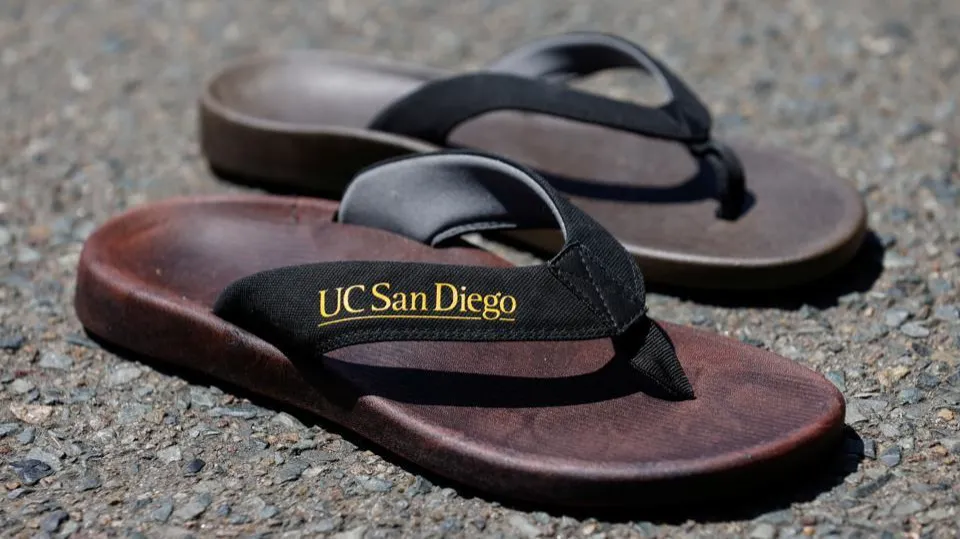
Flip flops have permeated our wardrobes, becoming a quintessential emblem of summer relaxation. But have you ever paused to ponder, “When were flip flops invented?” With their casual charm and unmistakable design, these simple sandals have a surprisingly convoluted history that dates back thousands of years.
Before delving into the modern iterations that grace our feet today, it is prudent to examine ancient footwear. Evidence suggests that the precursor to flip flops can be traced back to ancient Egypt around 4,000 B.C. Archaeologists have discovered wall paintings depicting sandals crafted from papyrus and leather, which bore a resemblance to our contemporary styles. The Egyptians utilized thongs that secured the sandals onto the feet, offering a rudimentary yet effective design.
Moving across continents, we find that the Japanese also played a vital role in the evolution of flip flops. The traditional “geta” and “zori” sandals showcased wooden soles adorned with fabric thongs. These creations were not merely functional; they also reflected cultural aesthetics, allowing the wearer to navigate both urban and rural terrains. The craftsmanship involved in creating these sandals showcased an intricate understanding of materials and design, paving the way for subsequent footwear innovations.
Throughout the ages, various cultures have adopted and adapted flip flop-like designs for practical and ceremonial purposes. In ancient Greece and Rome, sandals became synonymous with comfort and utility. These civilizations, too, favored designs that allowed for breathability and ease of use, something that remains essential to flip flop design today.
However, the modern flip flop, characterized by their rubber soles and plastic straps, found its roots in the early 20th century. It is crucial to note that during World War II, the production of rubber goods skyrocketed due to the military’s need for sturdy footwear. Soldiers were issued simple rubber sandals, and as the war concluded, surplus materials became available to the civilian population. This surplus dramatically influenced flip flop manufacturing, making them accessible to the masses.
In the 1950s, the flip flop began to garner significant popularity in the United States, primarily thanks to a company named Laid Back. They branded their own version of the Japanese “zori” and marketed it as a fashionable summer essential. The playful and adaptable nature of flip flops resonated with the American public, leading to a surge in sales and the cultural acceptance of the sandal as casual footwear.
By the 1960s and 1970s, flip flops began to catch on beyond functional applications and were embraced as a fashion statement. Brands like Havaianas and Rey were pivotal in this transformation, infusing aspects of style into the practical design. Bright colors and unique patterns proliferated, appealing to the youth who sought comfortable yet fashionable options for leisure time. Flip flops were no longer merely sandals; they had morphed into an expression of individuality.
The popularity of flip flops has only escalated since then, with various iterations emerging. High-end designers and footwear gurus began producing luxury flip flops, complete with embellishments and fine materials. This evolution sparked debates regarding appropriateness, with flip flops being hailed as unacceptable in certain formal settings due to their casual nature. Nonetheless, they remain a popular choice for beaches, casual outings, and spa days worldwide.
Moreover, the flip flop has transcended geographical boundaries, becoming an international summer staple. Whether it be the vibrant hues of Havaianas in Brazil or the sleek minimalism of Scandinavian designs, flip flops cater to diverse tastes and climates. They have also become a canvas for artistic expression, with custom designs and limited editions delighting sneakerheads and fashion aficionados alike.
Today, flip flops are not merely a seasonal accessory; they have been embraced by various subcultures and lifestyles. From surfers to festival-goers, embodying freedom and rebellion, these sandals reflect a laid-back ethos that resonates with many. However, flip flops are not without contention – some health professionals voice concerns about foot health due to their lack of arch support and cushioning. Are you willing to sacrifice foot comfort for the allure of effortless style?
As you ponder your summer footwear choices, consider the enduring legacy of flip flops. From ancient Egyptian designs to contemporary iterations, their journey encapsulates a rich tapestry of culture and innovation. Will you embrace this enduring staple that has stood the test of time, or will you succumb to the criticisms surrounding their practicality? It is a choice that lies at your feet, inviting you to weigh comfort against tradition.
Ultimately, flip flops are more than mere footwear; they are a narrative woven into the fabric of history. As you slip them on for your next adventure or simply lounge in your backyard, take a moment to appreciate their storied past and the myriad cultures that have contributed to their design. The next time you walk along the beach, remember that each step you take is a part of a legacy spanning millennia.