
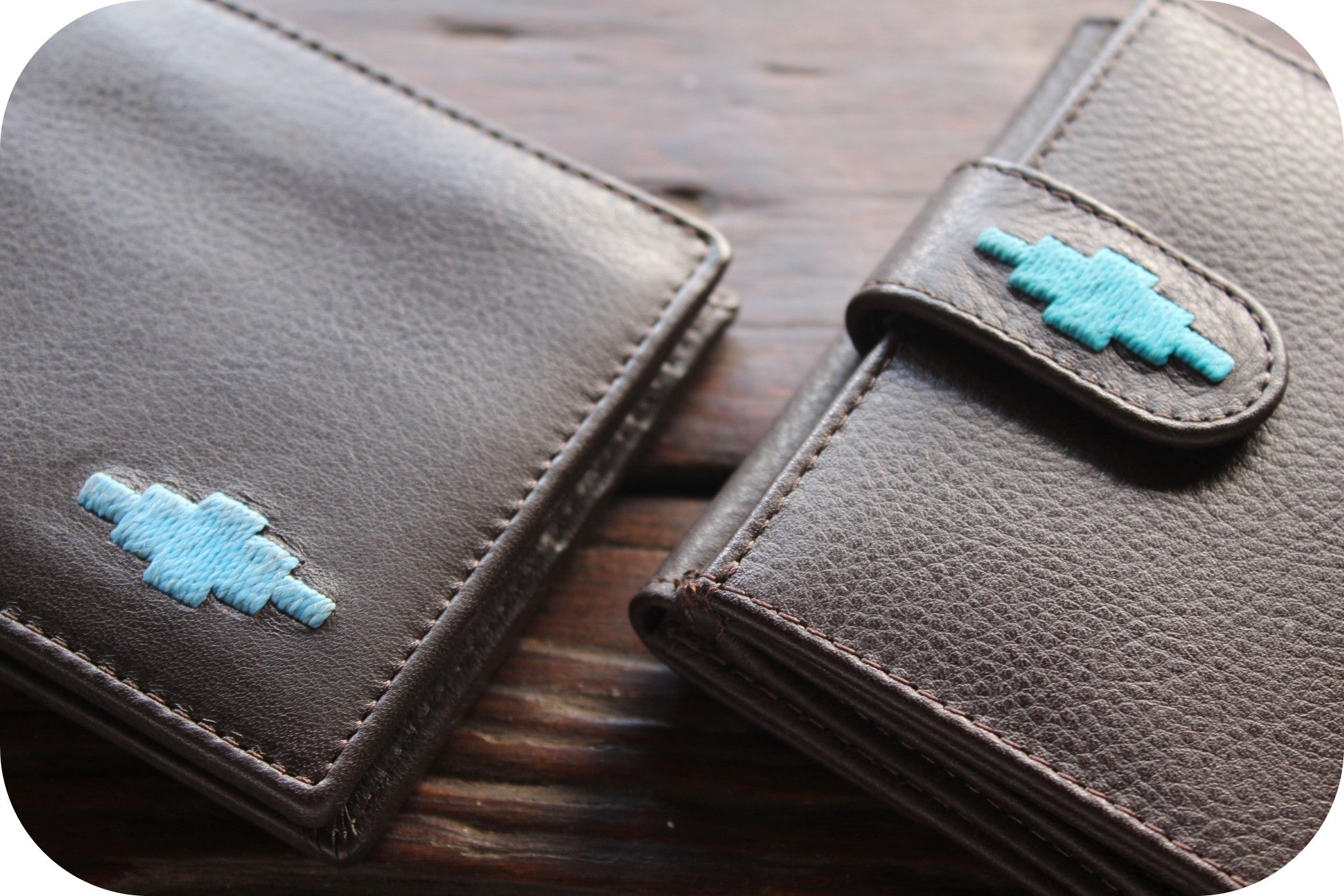
Leather has long been synonymous with affluence, craftsmanship, and durability. In recent years, high-end leather goods have gained a reputation not just as accessories, but as status symbols. One might ponder, “Who exactly buys high-end leather, and what impels them to invest in such opulent treasures?” In this exploration, we will delve into the demographics of high-end leather purchasers and the multifaceted reasons that make these products worthy of such considerable investment.
Understanding the Demographics
High-end leather aficionados are a diverse crowd, ranging from discerning professionals to fashion-forward millennials. Traditionally, the primary consumers have included affluent individuals, often in the age bracket of 30-55, who are likely to be established in their careers. These consumers not only appreciate the craftsmanship but are also often keen on making a bold fashion statement. However, the landscape is changing; younger consumers are increasingly recognizing the value of artisanal goods, making high-end leather a tantalizing prospect for a wider audience.
The Allure of Exclusivity
One fundamental reason why individuals are drawn to high-end leather is its intrinsic exclusivity. Brands that create luxury leather items often limit their production runs, ensuring that each piece is imbued with a sense of rarity. This exclusivity appeals to those who seek to distinguish themselves from the crowd. When a person carries a unique leather handbag or wears a bespoke leather jacket, they are not just sporting a piece of clothing; they are wearing their individuality on their sleeve, quite literally.
A Testament to Craftsmanship
High-end leather goods are emblematic of superior craftsmanship. Artisans pour countless hours into honing their skills, hand-selecting materials, and creating masterpieces. For buyers, owning such pieces is akin to investing in art. Each stitch is a testament to the meticulous care and expertise that went into its making. Unlike mass-produced items, high-end leather goods often feature intricate detailing and quality that far surpasses their lower-end counterparts. This artisanal quality is a primary motivating factor for many consumers.
Investing in Longevity
While the initial expenditure for high-end leather items may be substantial, savvy consumers understand that they are making an investment in longevity. Unlike disposable fashion, high-quality leather is durable and designed to age beautifully. With the right care, a high-end leather product can last for generations. This aspect of longevity resonates particularly with eco-conscious consumers who are increasingly eschewing fast fashion for items that promote sustainability. Investing in high-end leather is not merely a purchase; it is a commitment to longevity and functionality.
The Multifaceted Utility
Another engaging reason behind the purchase of high-end leather is its multifaceted utility. From wallets to bags and jackets, leather goods serve a variety of purposes beyond mere aesthetics. Their versatility allows them to seamlessly transition between settings: formal events, casual outings, and everyday use. Consumers appreciate the practicality of leather goods; they are often resilient to wear and tear, making them ideal for those with active lifestyles. Hence, purchasing high-end leather is often viewed as acquiring a functional, long-life asset rather than a fleeting indulgence.
Cultural and Social Significance
High-end leather goods frequently carry cultural and social significance. In many societies, luxury items are status symbols that delineate social strata. Wearing high-end leather can convey not only wealth but also taste and sophistication. For some, possessing these items allows them to partake in a lifestyle imbued with connotations of success and achievement. This psychological factor cannot be overlooked; many buyers are motivated by the social capital that accompanies the ownership of luxury leather goods.
Aesthetic Appeal and Timeless Style
While the aforementioned factors address functionality and investment, we must not overlook the sheer aesthetic appeal of high-end leather goods. Their sleek textures, rich colors, and classic designs make them perennially stylish. Unlike trendy fast fashion items that may fall out of favor seasonally, well-crafted leather items tend to exude a timeless elegance. This eternal appeal draws consumers who wish to blend fashion with function, creating a wardrobe that stands the test of time.
The Emotional Connection
Personal stories often accompany high-end leather purchases. For many, these items are embedded with memories, representing milestones and achievements in life. A leather bag gifted for a graduation or a wallet passed down through generations can carry emotional weight and significance that transcends monetary value. Such items become heirlooms, connecting generations while serving as enduring reminders of shared experiences and accomplishments.
A Playful Challenge to the Reader
Reflect upon your personal experiences with leather goods. What intrigues you most about high-end items? Are you drawn to their exclusivity, craftsmanship, or aesthetic appeal? Consider challenging yourself: the next time you contemplate a purchase, think not only about the price tag but also about the story behind the product. The allure of high-end leather is not merely in its appearance or status, but in the experiences and emotions it harbors. Are you ready to elevate your perspective on what luxury means to you?
In conclusion, high-end leather transcends mere consumerism; it intertwines artistry, emotional value, and practical utility. Those who invest in these goods do so for reasons that stretch far beyond the superficial, creating a tapestry of experiences that imbue each piece with significance. Whether for personal satisfaction, social status, or for the love of craftsmanship, the world of high-end leather is rich and multifaceted, inviting exploration and appreciation.