
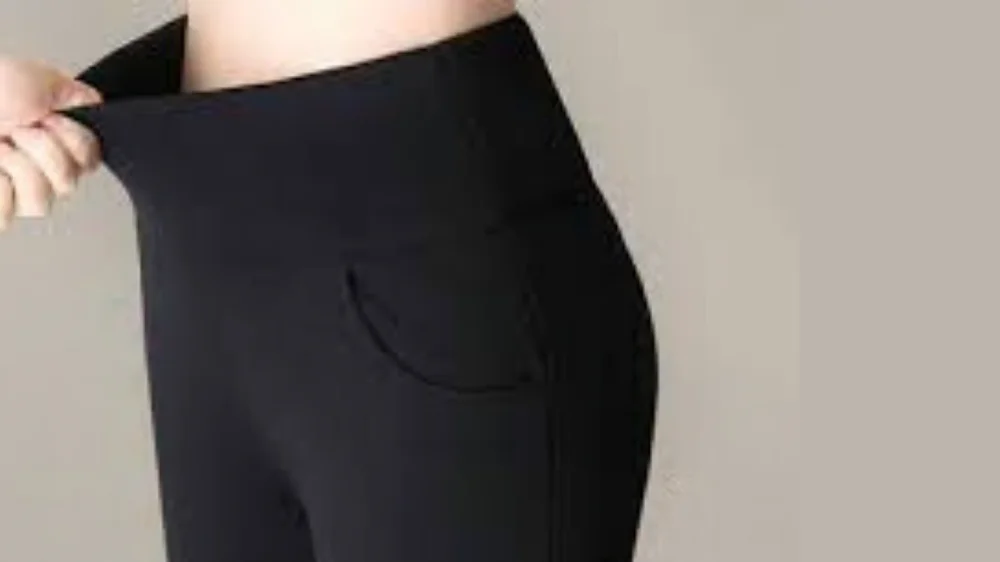
Leggings have undoubtedly become a staple in modern wardrobes, transcending their original purpose of athletic wear to become a versatile fashion statement. However, a common grievance among wearers is the unfortunate habit of leggings falling down. This irritation not only disrupts activities but can also detract from the overall aesthetic appeal. This article explores the various reasons behind this wardrobe woe, offering solutions and insights into how to remedy this vexing issue.
Understanding the Fit: The Foundation of Legging Integrity
The fit of leggings is paramount. A pair that is too loose will inevitably slide down, while overly snug options may restrict movement. Key considerations include:
- Waistband Design: Leggings come in various waistband styles, including high-rise, mid-rise, and low-rise. High-rise options often provide better coverage and security, but the fit must still be appropriate.
- Size Selection: Choosing a size that corresponds to your measurements is crucial. Consult sizing charts and, when in doubt, opt for the snugger fit without compromising comfort.
Investing in quality leggings that appropriately hug your body can prevent the relentless slipping that plagues many wearers. Remember, the firmer the fit, the less chance there is of an unwelcome wardrobe malfunction.
Fabric Considerations: The Role of Material
The fabric composition of leggings significantly influences their performance. Not all materials are created equal when it comes to elasticity and durability. Here are key fabric considerations:
- Spandex Content: Leggings infused with a higher percentage of spandex or elastane usually offer better stretch and retention. Fabrics with at least 20% spandex allow for comfortable movements while maintaining their shape.
- Weight and Breathability: Thinner, lightweight materials might not provide enough grip. Consider thicker materials that not only stay in place but also provide adequate support.
- Moisture-Wicking Properties: Fabrics that wick away moisture help avoid slippage caused by sweat. Dry fabric clings better to the body, minimizing sliding.
Choosing leggings with the right composition can transform your experience, ensuring they remain in place during any activity.
Construction Quality: Craftsmanship Matters
The way leggings are constructed and stitched can affect their longevity and ability to stay up. Pay attention to:
- Stitching Techniques: Look for flat seams that reduce friction and discomfort, as well as quality stitching that can withstand wear and tear. Poorly constructed leggings will break down faster, leading to a loss of structural integrity.
- Gusset Placement: A well-placed gusset can provide additional support, ensuring that leggings fit snugly without compromising freedom of movement.
Investing in higher-quality leggings can prevent future fumbles and save money in the long run.
Legging Usage: Context is Key
Understanding when and how to wear leggings can also influence their performance. Consider these contextual factors:
- Activity Type: Be aware that certain activities require specific legging characteristics. For activities involving high movement, like running or yoga, opt for leggings designed for active wear, as they often provide additional support features.
- Layering Considerations: If wearing leggings under a dress or with a more relaxed fit top, ensure the overall look balances out. Sometimes, the perception of falling can be exaggerated if top garments are exceptionally flowy.
Aligning your leggings with the purpose they were designed for can mitigate slippage and enhance your overall outfit.
Elasticity vs. Wear: The Balance of Time
Over time, even the best leggings can lose their elasticity due to wear and tear. Understanding this lifecycle is vital:
- Washing and Care: Improper care can degrade elasticity. Always follow care instructions, typically opting for cold washes and air drying to preserve fabric integrity.
- Replacement Guidelines: Know when it’s time to retire a beloved pair. Signs of sagging, visible thinning, or loss of elasticity indicate it may be time for a replacement to reclaim that secure fit.
Recognizing the lifespan of your leggings can allow for timely replacements, saving future frustrations.
Accessorizing for Stability: Innovative Enhancements
While the foundational elements of leggings play a significant role, innovative accessories can further enhance stability and comfort:
- Legging Grippers: These are designed to be worn under the waistband, helping to grip the skin in order to keep leggings in place.
- High-Quality Belts: A stylish belt can not only enhance your outfit but also provide an additional anchor for your leggings.
Utilizing clever accessories can provide a practical solution to prevent the slipping and sliding that disrupts your day.
Conclusion: A Secure Pair Awaits
In conclusion, finding the perfect pair of leggings that stay in place requires a nuanced understanding of fit, fabric, construction quality, usage context, elasticity, and even thoughtful accessorizing. By delving into each aspect, wearers can make informed decisions that enhance comfort and confidence. Embrace your leggings journey and say goodbye to the days of constant adjustments; a secure fit is within reach.