
Pronunciation often carries profound significance, particularly in the realm of branding. The luxury fashion label Loewe, a name that resonates with elegance and refinement, is frequently mispronounced by those unfamiliar with its roots. Understanding the intricacies behind the name can enhance appreciation for the brand’s artistry and legacy.
To fully grasp why Loewe is pronounced as it is, one must first explore its etymology. Derived from the German word for “lion,” the surname Loewe has historical ties to the founder, Enrique Loewe Roessberg. Born in Germany, Roessberg settled in Spain, where he infused the label with a distinct blend of Spanish culture and German heritage. This fusion is reflective not only in the pronunciation of the name but also in the brand’s overarching aesthetic.
The phonetic pronunciation of Loewe is “Loe-weh.” The initial component, “Loe,” rhymes with “so,” while the second part, “we,” sounds akin to the English word “way.” Spanish pronunciation conventions heavily influence this, particularly considering that Loewe is a quintessentially Spanish brand. Potential misinterpretations arise often: many pronounce it as “lo-eve” or “low-vee,” driven by assumptions regarding phonetic patterns common in the English language. Understanding these subtleties in pronunciation illustrates the brand’s rich cultural tapestry.
Furthermore, to comprehend the brand’s prominence, one must delve into its storied history. Founded in 1846, Loewe began as a cooperative of leather artisans in Madrid, crafting high-quality leather goods. This artisanal foundation laid the groundwork for a brand renowned for exquisite craftsmanship. Initially catering to a local clientele, it quickly gained a reputation for its outstanding quality, eventually attracting attention from the Spanish royal family. Loewe’s myriad influences echo through its collections, celebrating craftsmanship while firmly positioning itself within the luxury horizon.
As the brand evolved through various epochs, its commitment to quality became paramount. Loewe’s founder’s legacy significantly shaped its ethos; even today, the name exemplifies qualities such as precision, elegance, and tradition. Loewe helped nurture the traditional Spanish craftsmanship of leatherworking, ensuring that such artisanal practices were preserved and celebrated. Each product reflects the meticulous attention to detail and the rich history of the materials used, symbolizing not merely fashionable adornments but wearable pieces of art.
Cultural context is also critical when discussing Loewe’s name and pronunciation. In Spain, language and pronunciation embody cultural identity. The soft “e” sound in “Loewe” aligns with Spanish phonology, infusing an air of authenticity. Connoisseurs of fashion appreciate not only the aesthetic value of clothing, but also the stories behind them. The ability to pronounce “Loewe” correctly is considered an essential part of engaging with the brand on a deeper level.
Additionally, Loewe has adeptly maneuvered through the competitive waters of luxury fashion, constantly adapting while remaining firmly rooted in its identity. The brand gained a second wind in the contemporary fashion landscape under the creative direction of Jonathan Anderson, who took the reins in 2013. His innovative approach revitalized the brand, reinvigorating collections with modern sensibilities while ensuring the essence of Loewe remained intact.
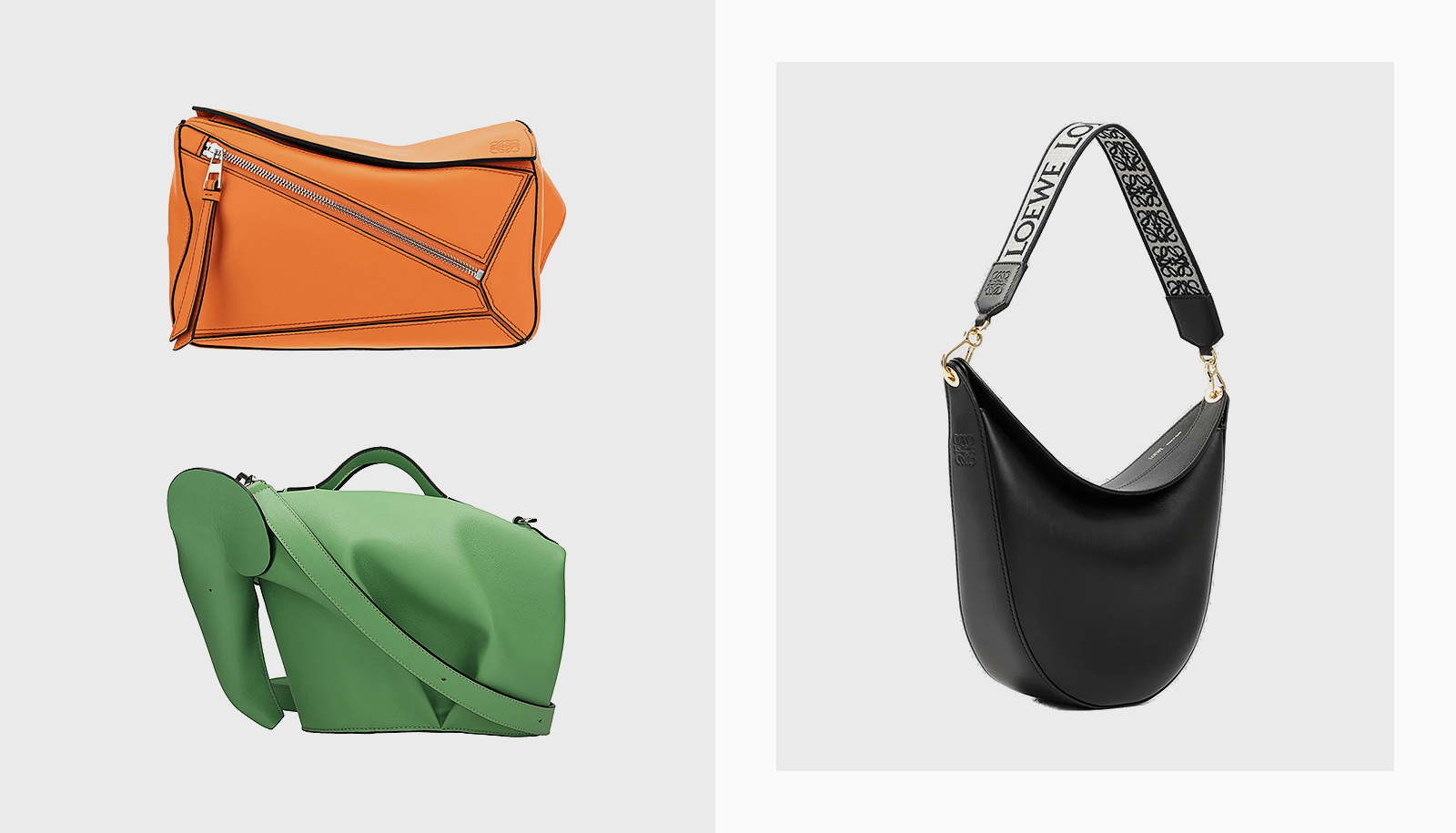
The evolution of Loewe’s identity has been critically noted in various high-fashion circles. Anderson reimagined its image, integrating elements of art and culture into the brand’s offerings. Even the packaging has undergone transformation under his leadership, showcasing a visual language that speaks to both heritage and modernity. The brand’s iconic “Puzzle” bag serves as a testament to this balance, combining tradition with an avant-garde aesthetic, and showcasing vectoring influences from the architecture and nature.
While examining the name and its pronunciation, one cannot overlook Loewe’s marketing prowess. The brand has adopted an educational approach in communicating the right pronunciation. Through social media campaigns and celebrity collaborations, Loewe has endeavored to rectify mispronunciations, engendering a community of brand aficionados who imbibe not just the fashion but the lore surrounding it. This strategic branding aligns with the luxury market’s emphasis on exclusivity and knowledge.
Fashion enthusiasts, critics, and retail associates alike emphasize the importance of being able to correctly pronounce “Loewe.” Such knowledge fosters a greater connection not only to the product but also to the brand’s philosophy. Ultimately, consumers are not merely purchasing a luxury item; they are partaking in a narrative that transcends time and geography.
Ultimately, the pronunciation of Loewe is a cultural artifact in its own right. It reflects the confluence of influences that forged the brand’s identity. Understanding its proper pronunciation enhances one’s appreciation for the brand’s rich heritage. The soft and fluid sounds of “Loe-weh” evoke a sense of grace and refinement, qualities that are synonymous with the brand itself.
In conclusion, the journey to understanding why Loewe is pronounced “Loe-weh” delves deep into the historical, cultural, and linguistic intricacies that encapsulate the brand. Each syllable resonates not only as a name but as a celebration of craftsmanship, identity, and the art of fashion. As consumers continue to engage with Loewe, embracing its correct pronunciation serves as a homage to the storied tradition from which it springs, enriching the experience of luxury that the brand epitomizes.