
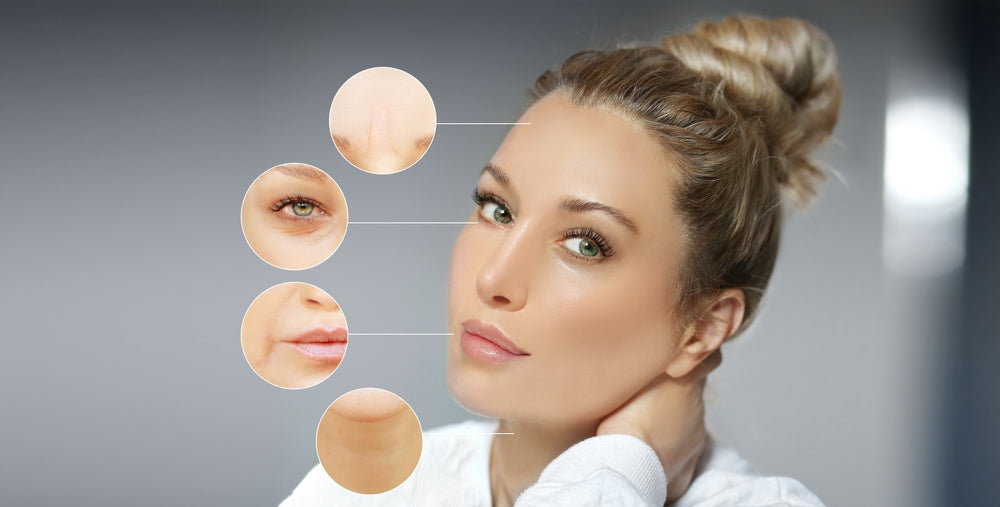
When it comes to skincare, the conversation surrounding ingredients and treatments often leads to two heavyweights: retinol and Botox. Both are heralded for their transformative effects on the skin, but when combined improperly, they can pose a risk to dermatological health. This article explores why you should refrain from using retinol immediately after receiving Botox injections, highlighting essential safety guidelines and skincare protocols.
1. Understanding Botox and Retinol
To appreciate the reason behind the caution, let’s first delineate what Botox and retinol are. Botox, or botulinum toxin, works by blocking signals between nerves and muscles. This temporary paralysis reduces the appearance of wrinkles by making it difficult for the muscles to contract. On the other hand, retinol, a derivative of vitamin A, promotes skin cell turnover, improves texture, and reduces fine lines. Both have significant advantages but operate through different mechanisms.
2. The Dermal Dance: Timing is Key
Timing in skincare is crucial, especially following cosmetic procedures like Botox. After treatment, the skin requires a certain period to adapt and stabilize. The active ingredient in retinol can be quite potent, with its exfoliating properties potentially exacerbating the skin’s sensitivity post-Botox. Instigating too much change too quickly can lead to adverse effects, including irritation and redness.
3. Potential Adverse Reactions
Using retinol immediately following Botox can result in several unpleasant reactions. The most common includes skin irritation. Botox works by paralyzing muscles under the skin, allowing the surface to appear smoother. However, the introduction of a potent active ingredient like retinol can induce an inflammatory response. The result? Breakouts, peeling, and discomfort – leading to a less than desirable outcome.
4. The Therapeutic Window
After Botox, dermatologists typically recommend waiting at least 24 to 48 hours before reintroducing your regular skincare regimen. This time frame allows the Botox to settle into the targeted muscles fully. Wildlife caution suggests that, for those utilizing retinol, extending this waiting period to a week or two may be prudent. This ensures that the skin has acclimated after the injection, reducing the potential for any negative reactions.
5. Sensitive Skin: The Aftermath of Injectable Treatments
Following Botox, the skin may exhibit heightened sensitivity. Your normal skincare products, particularly exfoliants and active ingredients like retinol, could provoke discomfort. The skin’s barrier might also be slightly compromised, necessitating gentler, hydrating products in the interim. Ignoring this can aggravate skin concerns, rather than alleviate them.
6. Adjusting Skincare Routines
Post-Botox, individuals should pivot towards a more holistic skincare routine. Focus on moisturizing ingredients such as hyaluronic acid and ceramides to nourish the skin. Avoiding harsh actives, including retinoids, can lead to a more positive treatment experience. Once the skin has settled down, consider reintroducing retinol slowly, perhaps only once or twice a week at first, to assess tolerance levels.
7. Consultation is Paramount
Before resuming retinol or any active skincare ingredient post-Botox, consulting with your dermatologist is essential. Each person’s skin is unique, and what works for one individual may not be suitable for another. A dermatologist can provide personalized guidance tailored to your skin type and previous reactions to treatments.
8. The Bottom Line: Prioritize Skin Health
The overarching theme is to prioritize skin health over momentary aesthetic improvements. While both retinol and Botox offer incredible benefits, their joint application without proper timing can lead to consequences that may counteract their intended effects. Therefore, embracing a careful and measured approach is advisable. In the dialogue between skincare and aesthetic treatments, patience often reaps the most gratifying rewards.
9. Embracing Holistic Practices
If you’re navigating cosmetic enhancements and skincare products, consider integrating a holistic approach. Prioritize overall skin health and nourishment, balancing treatments with natural remedies and consistent hydration. Practices such as regular gentle cleansing, sun protection, and adequate nutrition contribute significantly to skin vitality. The incorporation of such practices can ease the transition back to retinol once your skin has fully recovered from Botox.
10. Final Thoughts
In conclusion, while it may be tempting to jump back into your retinol routine right after Botox, understanding the delicate interplay between these treatments is crucial for achieving optimal results. Prioritize skin health above all, and allow your skin the necessary time to adjust and heal. By heeding these guidelines, you can enjoy the benefits of both Botox and retinol while minimizing risks and unwelcome side effects.