
In the kaleidoscopic world of health and wellness, smoothies have emerged as a fantastical elixir. They promise a quick nutrient boost, ideal for busy young adults racing against time. However, the enthusiasm often dwindles when these smoothies leave you feeling less than satisfied. Surges of hunger return shortly after consumption, leading to the inevitable question: why are my smoothies so full of air? This phenomenon merits exploration, as it unveils the intricate dance between ingredients, blending techniques, and our innate expectations.
First, let’s dive into the crux of the issue: air incorporation. Smoothies are meant to be whipped together into a velvety consistency, but unlucky combinations may lead to a frothy, airy texture. This happens when too much air is trapped during the blending process. When your smoothie takes on that foamy, light appearance, it may look appealing, but it’s often as insubstantial as it seems. The culprit? Over-blending. The more you blend, the more air gets churned into the mix, impacting the density and overall satisfaction of your drink.
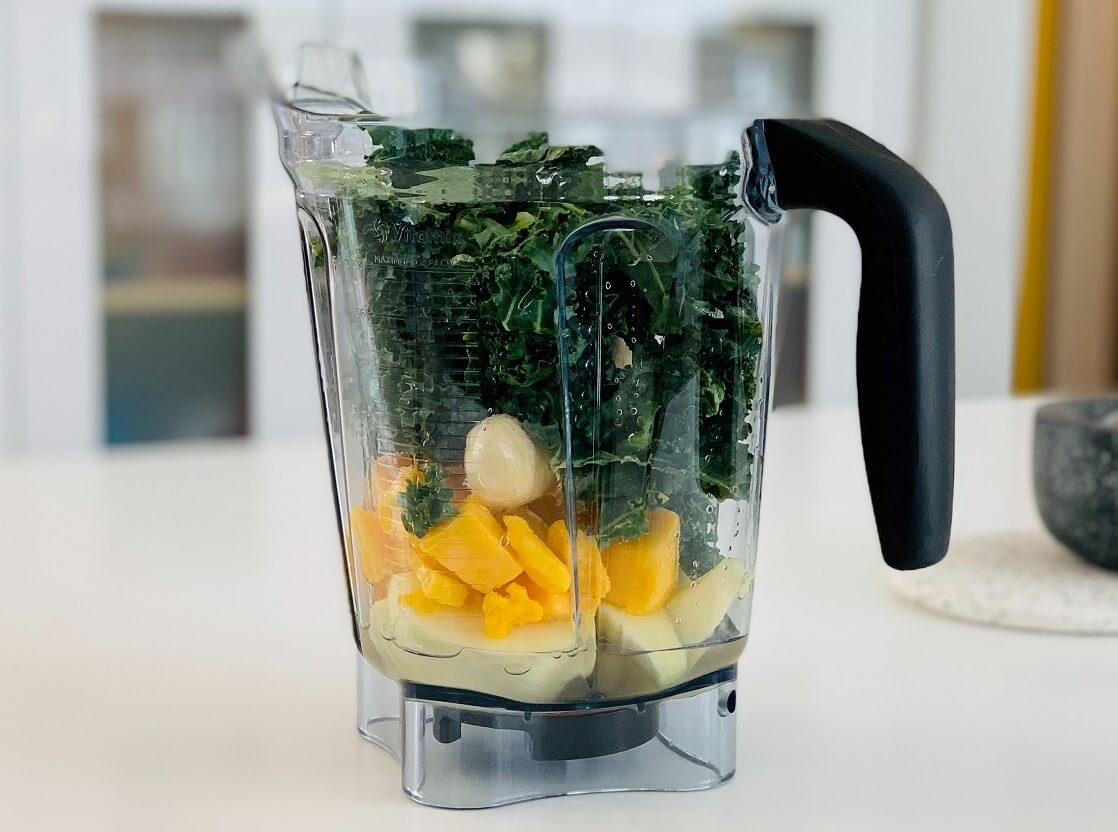
Understanding the technique of blending opens up a world of possibilities for crafting smoothies that actually fill you. Start with a strategy: layer your ingredients wisely. Solid fruits—bananas, berries, and spinach—should be placed at the bottom of the blender, while liquids like almond milk or yogurt go on top. This arrangement allows the blades to engage effectively with the solids, minimizing the introduction of excess air.
Another pivotal factor is the choice of ingredients. It’s time to ditch the mindset that all ingredients are created equal. Nutrient-dense components, such as avocado, nut butter, and oats, offer the heft and satiation often missing from fruit-centric blends. These ingredients not only add texture, but also help maintain a creamy consistency without the unnecessary air pockets that lead to fleeting fullness.
Incorporating protein is essential to crafting a truly satiating smoothie. Whether you choose whey, plant-based protein powders, or Greek yogurt, protein serves to anchor your smoothie, delivering lasting energy that combats hunger. When combined with wholesome fats, such as chia seeds or flaxseeds, you’ll create a harmonious balance that keeps you full for a more extended period.
Choosing the right liquid base can also dramatically alter your smoothie’s texture and cakewalk into fullness. While coconut water may seem like an enticing option, it’s relatively low in calories and may not contribute significantly to fullness. Instead, consider nut milks, which are richer and can provide extra calories without compromising flavor. If you want to squeeze out even more satiation, try using smoothies made with whole fruits and vegetables rather than just juices; this way, you retain fiber that contributes significantly to a fuller feeling.
Beyond ingredient choice, the art of blending deserves further examination. Employ a technique called “pulse blending” instead of a continuous blend. This method allows you to thoroughly mix ingredients without overwhemingly incorporating air. By intermittently turning the blender on and off, you create a denser concoction that holds more body and substance. It’s a simple adjustment, yet it can lead to a transformational experience in terms of texture and fullness.
Speaking of texture, let’s not overlook the importance of thickness. If you desire a smoothie that can withstand a straw, embrace the idea that thick is synonymous with satisfying. You can achieve this thickness by blending in a frozen banana or utilizing frozen fruits for a creamier consistency. Ice cubes may seem like an appealing option, but they often dilute flavor and introduce excess air; they are best avoided if your goal is a legitimately filling smoothie.
Another essential consideration is the timing of your smoothie consumption. Many young adults gravitate toward smoothies for breakfast, often in haste. However, giving your smoothie time to settle can significantly impact its filling potential. Allow it to sit for a few minutes before consumption. The ingredients will meld together, minimizing any lingering air bubbles and consequently enhancing the drink’s overall texture.
Let’s also address common pitfalls such as relying solely on fruits. Fruits indeed pack a plethora of vitamins; however, their high sugar content can lead to quick spikes in blood sugar, resulting in fluctuations in energy levels. Mix in fibrous vegetables—think spinach or kale—to provide more bulk without unnecessary sugars. The result is a blend that fills and energizes while keeping your blood sugar levels steady.
Additionally, consider your blending environment. If you utilize a high-power blender as opposed to a standard one, you may find you’re inadvertently incorporating more air into your blends, leading to that fleeting satisfaction. Experiment with slower, more gradual blending experiences to discover the difference in texture.
Finally, texture and fullness can be an issue of mindfulness as well. Often, we down smoothies in a rush, treating them as yet another task on our to-do list. Slow down; treat your smoothie as a meal, savoring each sip. This mindful approach can help bridge the gap between hunger and fullness, leading to greater satisfaction overall.
In conclusion, making smoothies that truly satiate requires intention and creativity. From ingredient choices to blending techniques and mindful consumption, each facet contributes to the final experience. By mastering these elements, you can create smoothies that fulfill their promise—delivering nourishment while leaving you feeling satiated and energized for whatever the day brings.