
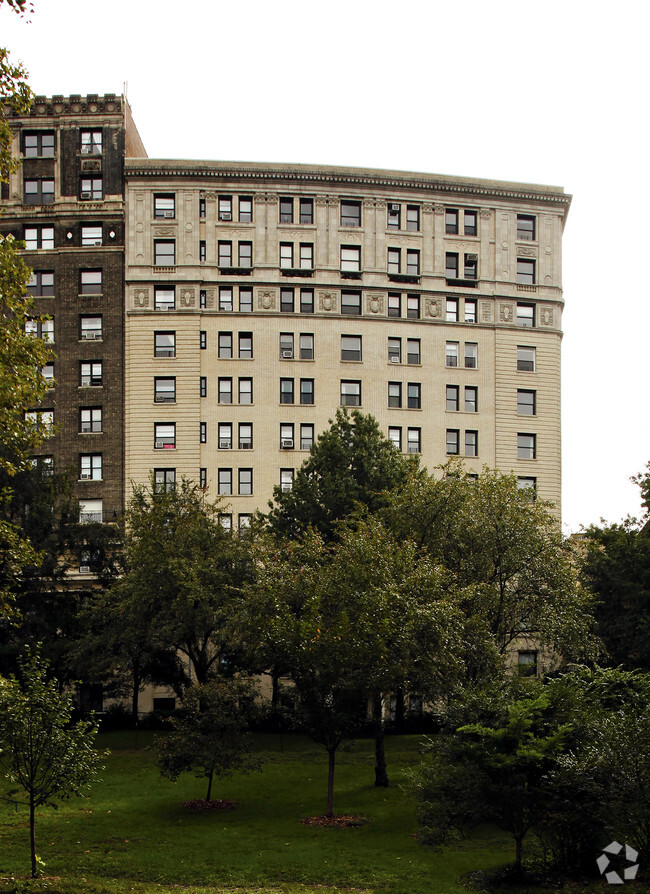
Located on the Upper West Side of Manhattan, 270 Riverside Drive stands as a remarkable testament to architectural ingenuity and historical significance. This building, often recognized for its distinctive style and elegant features, plays a pivotal role in the narrative of New York City’s architectural evolution. Below, we delve into the various dimensions of this venerable structure, encompassing its design, historical context, and cultural impact.
The Architectural Design of 270 Riverside Drive
270 Riverside Drive exemplifies the Beaux-Arts architectural style, characterized by its grandiosity and elaborate ornamentation. Designed by the prominent architectural firm of Schwartz & Gross, the building was completed in 1901 and exhibits many typical features of this style. Its façade, comprised of rich, red brick accented by terra cotta moldings, commands attention amidst the bustling cityscape. The building’s imposing entrance, flanked by intricately detailed columns, invites admiration and evokes a sense of historical reverence.
One of the most striking aspects of the building is its arched windows, which not only enhance the aesthetic appeal but also provide ample natural light to the interiors. Additionally, the cornice that crowns the structure is adorned with ornamental detailing, reinforcing the Beaux-Arts commitment to visual extravagance. The overall symmetry and proportion of the building convey a stately and timeless quality that remains appealing even in contemporary urbanity.
The Historical Background: A Glimpse into the Past
270 Riverside Drive is more than just a beautiful structure; its history is intertwined with the development of the Upper West Side as an affluent residential area. During the late 19th and early 20th centuries, this neighborhood transformed from a modest section of Manhattan into a desirable locale for the city’s elite. The construction of 270 Riverside Drive coincided with this urban renaissance, signifying a shift in the architectural landscape that mirrored the burgeoning prosperity of the American middle and upper classes.
As one of the early luxury apartment buildings in New York City, 270 Riverside Drive attracted numerous illustrious residents over the decades. Figures from various fields—including politics, art, and literature—found their home within its walls. The building’s prime location near the scenic Riverside Park and the Hudson River also added to its allure, offering residents a retreat from the chaotic city life while still being immersed in the cultural vibrancy of Manhattan.
Architectural Innovations and Features
Unlike many of its contemporaries, which adhered strictly to the conventions of their time, 270 Riverside Drive incorporated innovative design elements that catered to modern living preferences. The building features large apartment layouts, designed to accommodate the needs of families and individuals seeking comfort and spaciousness. High ceilings, ornate moldings, and hardwood floors are just a few of the luxurious elements that characterize the interiors, resonating with the fin-de-siècle opulence that drawing room conversations celebrated.
Moreover, modern conveniences were integrated into the building’s design, reflecting a forward-thinking approach that was not widely adopted during the era. The incorporation of an elevator—a relatively novel feature at the time—sprinkled an additional layer of sophistication, allowing easy access to upper floors and further enhancing the appeal of apartment living.
Cultural Significance and Legacy
The legacy of 270 Riverside Drive extends beyond mere architectural prestige. The building has served as a backdrop for significant cultural and social developments within the city. As New York City experienced tumultuous changes throughout the 20th century, 270 Riverside Drive stood resilient, witnessing historical events and changes in societal norms. Its residents often engaged in various cultural pursuits, reflecting the city’s dynamic artistic landscape.
Throughout the years, the building has inspired writers, artists, and filmmakers alike. Its striking architecture and storied past have been frequently depicted in literature and film, amplifying its status as an iconic New York City landmark. The edifice has become a cultural symbol, embodying the aspirations and achievements of those who sought to live in one of the most vibrant urban centers in the world.
The Modern Era: Preservation and Development
In contemporary times, preserving the historical integrity of 270 Riverside Drive has been paramount. Various efforts have been undertaken to maintain its architectural features while updating amenities for modern living. The building has undergone renovations aimed at enhancing the living experience for residents while respecting its historical essence. These alterations have focused on seamlessly integrating modern technology and conveniences without compromising the architectural character that defines the building.
The revitalization efforts reflect a broader trend in New York City, where the preservation of historical architecture is increasingly recognized as essential for sustainability and urban identity. As neighborhoods evolve, structures like 270 Riverside Drive serve as reminders of the past, grounding the community in its rich heritage while embracing the future.
Conclusion: An Icon of Architectural Heritage
270 Riverside Drive encapsulates the storied interplay between architecture and history, symbolizing the grandeur of New York City through its impressive design and cultural significance. As we traverse the rich tapestry of the city’s past, landmarks like this building continually remind us of the artistic and architectural achievements that shape our urban environment. In essence, 270 Riverside Drive is not merely a residence; it is an enduring emblem of an era, a living museum that continues to enchant and inspire future generations.