
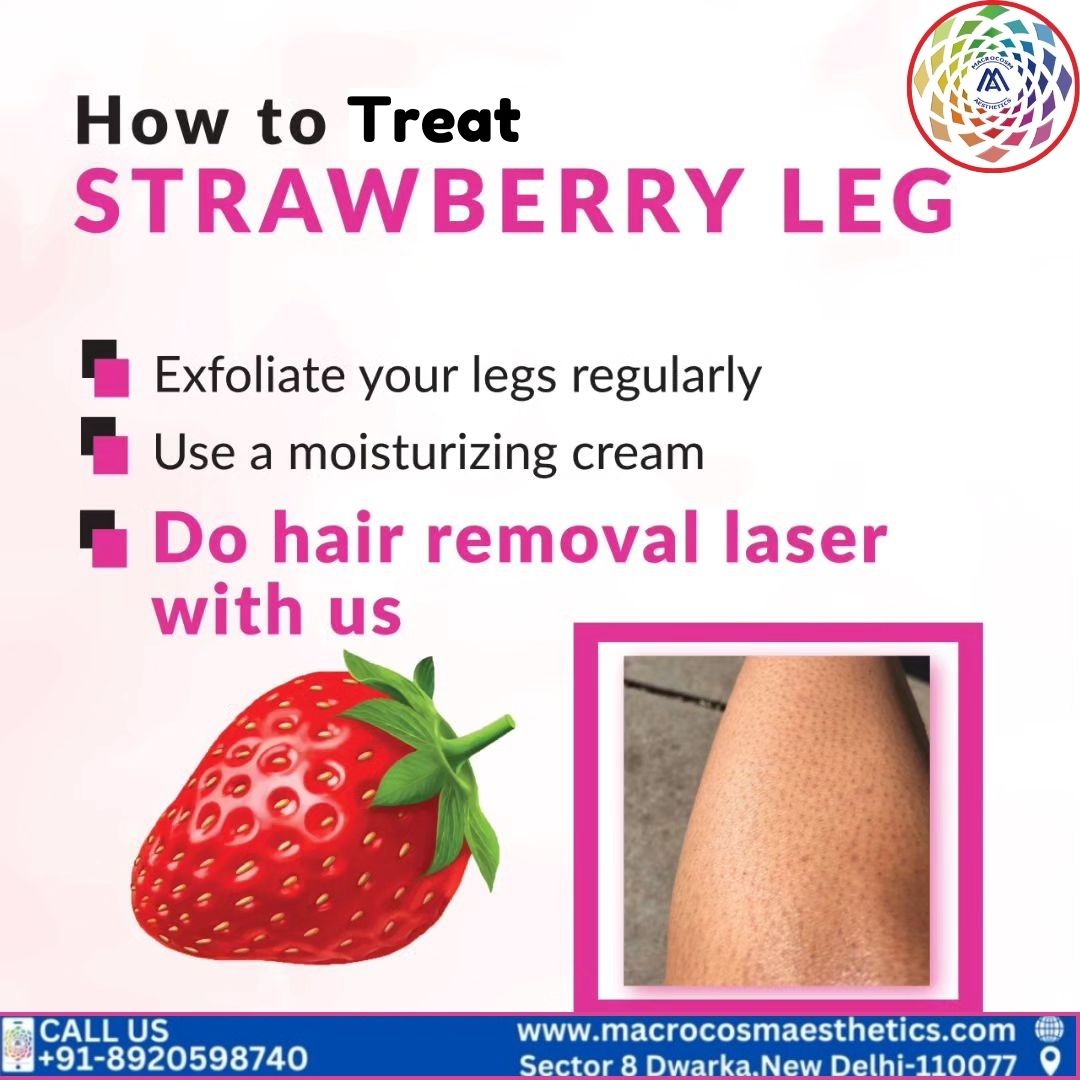
Strawberry legs is a colloquial term often used to describe the appearance of dark spots or tiny black dots on the skin’s surface, resembling the seeds of a strawberry. This condition arises primarily due to the visibility of hair follicles beneath the skin, which can result from various factors, including clogged pores, ingrown hairs, or even hyperpigmentation. For many, this aesthetic issue provokes self-consciousness and leads to a quest for effective solutions. Among the myriad treatments available, laser hair removal has gained traction. But does it truly alleviate the symptoms associated with strawberry legs? This article delves into the effectiveness of laser hair removal for addressing this concern, alongside realistic expectations and insights into the treatment process.
Understanding Strawberry Legs
Before exploring laser hair removal, it is essential to comprehend what causes strawberry legs. The predominant cause is often coarse or dark hair that remains visible through the skin, especially after shaving. Shaving can lead to the development of ingrown hairs, resulting in inflammation and infection of the hair follicles, compounding the appearance of dark spots. Conditions such as keratosis pilaris, a common skin disorder caused by the buildup of keratin around hair follicles, can also contribute to the strawberry leg phenomenon.
What is Laser Hair Removal?
Laser hair removal is a cosmetic procedure that employs concentrated light beams to target and eliminate hair follicles. This treatment aims to reduce hair growth significantly and can lead to permanent hair reduction over time. Different types of lasers, each suited to varying hair colors and skin types, facilitate the absorption of light and corresponding heat, which damages hair follicles while minimizing damage to the surrounding skin.
Does Laser Hair Removal Help Strawberry Legs?
In addressing whether laser hair removal can effectively mitigate the symptoms of strawberry legs, it is crucial to consider how the treatment operates. By targeting hair follicles, laser hair removal not only diminishes hair regrowth but also helps in reducing the visibility of those darker spots that define strawberry legs. As hair follicles are treated, the incidence of ingrown hairs is likely to decrease, leading to smoother skin over time. Furthermore, regular treatments may improve overall skin texture and tone, potentially addressing underlying pigmentation issues.
Setting Realistic Expectations
No treatment is a panacea, and laser hair removal is no exception. It is paramount for individuals to set realistic expectations prior to undergoing treatment. Generally, multiple sessions are required to achieve optimal results, as hair grows in different cycles, and the laser can only effectively target hairs in the active growth phase. Typically, patients may require between six to eight sessions spaced a few weeks apart. Individual results can vary significantly based on factors such as hair color, skin type, and the laser technology utilized.
Does Laser Hair Removal Address Hyperpigmentation?
While laser hair removal primarily focuses on hair reduction, certain laser types also possess the capability to address hyperpigmentation. Treatments like the Nd:YAG laser can assist in targeting melanin within the skin, potentially aiding in the reduction of dark spots associated with strawberry legs. However, this is not the primary function of the procedure, and results may vary based on the individual’s skin condition and other underlying issues.
Post-Treatment Care
Post-treatment care is just as crucial as the procedure itself. After undergoing laser hair removal, the skin may exhibit temporary redness or swelling, resembling a mild sunburn. Proper aftercare is essential to mitigate these effects and to help improve the outcomes. Patients are typically advised to avoid excessive sun exposure, apply sunscreen liberally, and avoid certain skincare products containing irritants for a period following the procedure. Adhering to these guidelines can significantly enhance the results of hair removal and, by extension, improve the overall appearance of the treated area.
Potential Side Effects
Like any cosmetic procedure, laser hair removal is not without its potential side effects. Although generally considered safe, some individuals may experience adverse reactions such as skin irritation, discoloration, or even scarring. In rarer cases, burns may occur if proper techniques are not adhered to during treatment. Choosing a qualified and experienced practitioner is vital in minimizing these risks, as the skill and knowledge of the operator play a pivotal role in achieving satisfactory outcomes.
Alternative Treatments
For those who may not be suitable candidates for laser hair removal, various alternatives exist. Common methods include waxing, sugaring, or using depilatory creams. These can provide temporary relief from the appearance of strawberry legs but often require frequent maintenance. For individuals suffering from keratosis pilaris, gentler topical treatments, including exfoliating agents or retinoids, might ease the bumpy skin texture associated with the condition.
Conclusion
In summary, while laser hair removal can significantly reduce the appearance of strawberry legs by targeting hair follicles and possibly improving skin texture, it is not a guaranteed cure. Expectations should be managed realistically, with a clear understanding that multiple sessions may be necessary to achieve the desired results. Combining laser treatment with appropriate skincare practices can enhance outcomes and promote healthier skin. Ultimately, consulting with a trained professional can provide individuals with the tailored advice needed to make informed decisions regarding their aesthetic goals.