
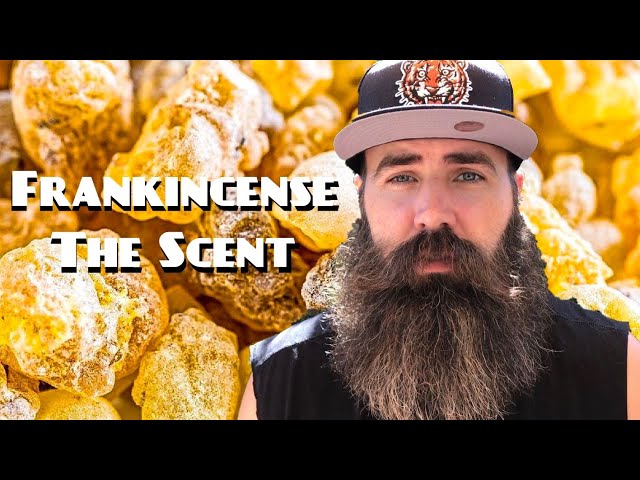
Frankincense, a precious resin obtained from the boswellia tree, has captivated those who encounter its unique aroma for centuries. But what does frankincense smell like? Delving into its fragrance, historical significance, and diverse applications reveals an extraordinary narrative that resonates with our modern sensibilities while connecting us to ancient traditions.
The Alluring Aroma of Frankincense
At its core, the scent of frankincense is a complex tapestry of aromatic notes. Evocative and ethereal, it often encapsulates a warm, woody essence intertwined with hints of citrus and spice. The olfactory experience can vary based on the specific type and quality of frankincense. Some describe the scent as resinous and slightly sweet, with undertones that resemble the earthiness of freshly cut wood. The experience is almost transcendent; it can evoke a sense of calm and introspection, making it a favorite in spiritual practices and meditative routines.
A Journey Through History
Frankincense has a storied past that dates back over 5,000 years, prominently featuring in the ancient civilizations of Egypt, Mesopotamia, and the Indus Valley. Initially utilized in religious rituals and as a burial incense, it was deemed a divine offering. The Egyptians often blended it with myrrh and other resins to create perfumes and sacred oils for anointing their pharaohs.
In ancient trade routes, particularly the famed Silk Road, frankincense became a sought-after commodity, valued not only for its scent but also for its supposed medicinal properties. The Greeks later adopted its use, with philosophers and scientists hailing its virtues. Its inclusion in the biblical account of the gifts presented to Christ further cements its esteemed place in history.
The use of frankincense extends beyond the annals of history; it continues to be a symbol of wealth and opulence in many cultures. To this day, some Middle Eastern countries maintain the tradition of burning frankincense during weddings, funerals, and other significant events, signifying purity and good fortune.
Exploring Uses and Benefits
While frankincense’s historical roots are undoubtedly profound, its contemporary applications are equally impressive. In the realm of wellness, it is often heralded for its potential therapeutic properties. Aromatherapy enthusiasts incorporate frankincense oil into practices aimed at promoting relaxation, reducing anxiety, and enhancing meditation. The act of inhaling its rich, resinous vapors can aid in grounding oneself, facilitating a deeper connection to the self and the present moment.
Beyond meditative practices, frankincense has garnered recognition in holistic healing. It is believed to possess anti-inflammatory and antiseptic properties, making it a staple ingredient in certain skincare products aimed at rejuvenating and healing the skin. With the rise of herbal remedies and natural healthcare, young consumers are increasingly gravitating towards products that harness the potential benefits of natural ingredients like frankincense.
Moreover, its versatility extends to the culinary world, where it finds its way into spices and fragrances. In some cultures, frankincense is used as a flavoring agent or even a digestive aid, showcasing its unique ability to bridge the gap between distinct realms of experience.
The Fragrance Notes of Frankincense
To fully appreciate frankincense’s scent, one must dissect its various notes. The immediate impression is often a bright, citrus-like aroma, which can be attributed to the alpha-pinene content present in its resin. This initial freshness transitions into a deeper, more resinous heart note that evokes the imagery of sun-drenched forests. The base notes of frankincense are where its true complexity unfolds; they offer a warm, balsamic richness that lingers on the palate of the nose, fostering a sense of nostalgia and serenity.
Aromatherapists often describe frankincense as having calming properties that can evoke a sense of tranquility. Its multi-layered profile makes it a remarkable choice for blending with other essential oils. Pairing it with lavender can amplify its calming effects, while mixing it with citrus oils can create a more invigorating experience. Such versatility makes it appealing to a younger audience keen on personalizing their aromatherapy experiences.
Incorporating Frankincense Today
In the modern landscape, the use of frankincense has surged, particularly among younger consumers seeking authentic and sustainable products. The availability of frankincense essential oils, incense sticks, and scented candles allows for a diverse range of applications, catering to various tastes and preferences. Whether used in a relaxing bath, as an uplifting fragrance in a living space, or as part of a self-care ritual, frankincense is widely embraced.
Beyond its aromatic allure, frankincense signifies a return to authenticity in a world flooded with synthetics and artificial fragrances. Its rich, natural scent resonates deeply with those who prioritize holistic wellbeing and seek to forge meaningful connections with the products they consume. As society continues to evolve, the enduring appeal of frankincense affirms its timeless charm and relevance.
In conclusion, the familiar yet multifaceted question of “What does frankincense smell like?” opens the door to vast discussions on its history, applications, and the intricate notes that define its aroma. Whether you are exploring ways to enhance your mindfulness rituals or simply seeking a fragrant escape, frankincense offers a gateway into the past and present—celebrating the enduring beauty of nature’s gifts.